

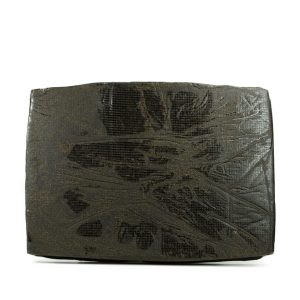
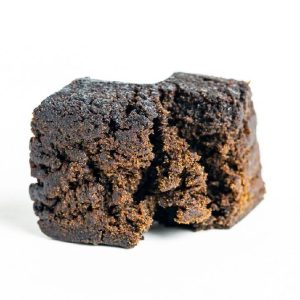
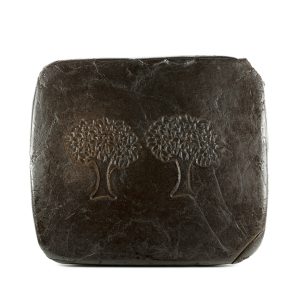
Hash Zig Zag is a commercial name that may be used for a cannabis hash or concentrate product.
Current cannabis databases do not establish “Zig Zag” as one standardized cannabis cultivar with universally accepted genetics, THC percentage or terpene profile. Search results for the term are dominated by Zig-Zag, the longstanding rolling-paper brand, rather than a consistently documented strain.
For that reason, a product sold as Hash Zig Zag should not automatically be assigned a particular lineage or potency.
The most useful information comes from its individual batch, including:
- measured THC;
- CBD and minor cannabinoids;
- terpene testing where available;
- batch or lot number;
- contaminant-screening results;
- source material;
- manufacturing information;
- production and packaging dates.
Hash itself is concentrated cannabis resin or trichome material. Depending on how it is produced, a hash product can contain substantially more concentrated cannabinoids than ordinary dried flower.
For more cannabis concentrate education, explore Cannabistopgrade.com – Cannabis Concentrates and Dabbing, Cannabistopgrade.com – Hash and Cannabis Concentrates, and Cannabistopgrade.com – Cannabis Education.
Hash Zig Zag Quick Facts
| Topic | Educational Overview |
|---|---|
| Product | Hash Zig Zag |
| Category | Cannabis hash/concentrate |
| Standardized strain lineage | Not independently established |
| Exact THC | Batch dependent |
| Exact CBD | Batch dependent |
| Selling marijuana legally | Requires applicable state/local authorization |
| Dispensary licence | Retail cannabis business authorization |
| Grower licence | Commercial cultivation authorization |
| Local permit | Often required in addition to state licence |
| National U.S. marijuana retail licence | No single nationwide licence |
| Licence availability | Depends on state and application window |
How to Sell Pot Legally
The phrase how to sell pot has a straightforward legal answer:
In a regulated U.S. cannabis market, a person generally cannot simply grow marijuana and begin selling it to consumers.
Commercial activity is controlled through state and often local licensing systems.
The exact requirements vary by jurisdiction, but a legal cannabis business usually has to address:
- state cannabis law;
- local zoning and permits;
- appropriate cannabis licence type;
- ownership disclosures;
- premises approval;
- security and inventory controls;
- product testing;
- packaging and labeling;
- tax registration;
- age verification;
- track-and-trace requirements;
- licence renewal.
California offers a clear example.
Its Department of Cannabis Control states that a valid DCC licence is required before conducting commercial activities such as growing, manufacturing, distributing, testing or selling cannabis.
This means how to sell weed legally begins with determining which regulated activity the business intends to perform.
How to Sell Weed Legally
A legal cannabis seller generally operates through a licensed retail structure.
California, for example, has two principal retail licence categories:
Type 10 storefront retailer: operates a physical store where customers purchase cannabis.
Type 9 non-storefront retailer: sells cannabis through delivery without a customer-facing storefront.
California retailers may sell only permitted cannabis goods that have gone through required testing and quality-assurance processes. The state also requires retailers to verify customer age. Adult-use customers must be at least 21, while qualifying medicinal patients can operate under separate requirements.
This illustrates why legal cannabis retail involves much more than obtaining inventory and opening a store.
Selling Cannabis vs. Growing Cannabis
The licences are normally separate.
| Activity | Typical Licence Category |
|---|---|
| Sell cannabis to consumers | Retail/dispensary |
| Grow commercial cannabis | Cultivation |
| Manufacture extracts/products | Manufacturing |
| Move cannabis between licensed businesses | Distribution |
| Test regulated cannabis | Laboratory |
| Combine multiple permitted activities | Microbusiness in some states |
California explicitly divides licences into cultivation, manufacturing, distribution, retail, testing, microbusiness and event categories.
A cultivation licence therefore does not automatically authorize someone to open a retail dispensary.
How to Get Cannabis License Approval
There is no single cannabis license that operates nationwide.
The procedure is determined largely by the state and municipality.
California’s current application process provides a useful model.
Step 1: Check the Local Government First
Before applying for the state licence, determine whether the city or county permits the proposed cannabis business.
California allows local governments to permit some commercial cannabis activities, prohibit others or prohibit cannabis businesses entirely.
This is one of the most important steps.
Finding a warehouse or storefront before checking zoning can lead to significant costs if cannabis businesses are prohibited at that location.
Step 2: Select the Correct Licence
Identify exactly what the company will do.
For example:
- storefront retail;
- delivery-only retail;
- cultivation;
- manufacturing;
- distribution;
- testing;
- microbusiness.
A company performing more than one regulated activity may need multiple licences unless a particular combined licence covers those activities.
Step 3: Establish the Business
Cannabis regulators can require information about:
- legal business structure;
- owners;
- investors;
- financial-interest holders;
- responsible business representatives;
- tax identification.
California’s current application checklist requires detailed ownership and financial-interest disclosures.
Step 4: Secure a Compliant Location
Applicants often need evidence that they have the legal right to occupy the proposed premises.
Depending on the jurisdiction, zoning restrictions may regulate distances from schools, residential areas or other sensitive uses.
Step 5: Complete Local Permitting
The city or county may require a local cannabis permit, planning approval, business licence or other authorization before state licensing can proceed.
California’s DCC specifically instructs applicants to complete required local permitting before applying for the state licence.
Step 6: Prepare the Application
Applicants may need documents covering:
- premises diagrams;
- ownership;
- financial interests;
- business organization;
- security;
- operating procedures;
- local authorization;
- environmental compliance;
- tax registration.
California’s current checklist also includes proof of the legal right to occupy the premises and a surety bond of at least $5,000 per premises.
Step 7: Submit and Pay the Application Fee
California’s DCC will not begin processing an application until the required application fee has been paid.
Application fees and annual licence fees are separate.
Step 8: Respond to Regulatory Questions
If information is incomplete, the regulator can request corrections or additional documentation.
Step 9: Pay the Licence Fee After Approval
Under California’s process, applicants who are approved receive instructions to pay the licence fee.
The licence is issued after that payment is received.
Step 10: Maintain the Licence
California DCC licences are generally valid for one year and require renewal.
How to Get a Weed Permit
The phrase how to get a weed permit can refer to either:
- a local business permit;
- a state cannabis licence;
- a cultivation permit;
- zoning approval.
These should not be treated as interchangeable.
For example, a California city may authorize a proposed cannabis retailer locally, but the operator still needs the required state DCC licence before conducting commercial cannabis activity.
Similarly, a state licence does not override a local prohibition.
California reports that municipalities can decide which cannabis business types they allow, and some jurisdictions prohibit commercial cannabis businesses entirely.
Therefore, someone researching a weed permit should start by identifying both:
the state cannabis regulator, and
the city or county where the premises will be located.
How to Get a Dispensary License
A dispensary licence authorizes retail cannabis activity.
The exact requirements vary by state, but a prospective retailer should generally be prepared to demonstrate:
- qualifying ownership;
- compliant business structure;
- permissible premises;
- local authorization;
- security procedures;
- inventory controls;
- recordkeeping;
- tax compliance;
- product sourcing from licensed businesses;
- age-verification procedures.
California requires a retail licence to sell cannabis goods to the public. Type 10 licences are for storefront retailers, while Type 9 licences cover delivery-only businesses.
Retailers can sell only regulated products that meet the state’s testing and quality-assurance requirements.
How to Obtain a Weed License in New York
New York uses a different system administered by the Office of Cannabis Management, or OCM.
An important current point is that prospective applicants should always check whether their desired licence type is actually open.
As of October 1, 2026, OCM states that the only adult-use applications presently available are Processor Type 3 Branding and Type 3 Flower licences.
Fresh general applications for retail dispensary, cultivation, distribution and microbusiness licences are therefore not presently open through the normal application process.
This is particularly important for anyone searching how to get a dispensary license.
A consultant cannot legitimately create an open New York retail licensing window when OCM itself says the application is currently unavailable.
New York OCM – Current Cannabis Licensing Information
New York Retail Requirements When Applications Are Available
The New York’s current adult-use retail guidance explains several important requirements applicants should understand for future licensing opportunities.
Applicants generally must:
- be at least 21;
- form the business that will conduct licensed activity;
- disclose required business information;
- satisfy ownership rules;
- comply with location restrictions;
- notify the relevant municipality;
- obtain OCM approval before conducting licensed activity.
New York also allows provisional retail licensing structures under applicable application periods, which can allow an applicant additional time to identify an approved premises after provisional approval.
Weed Growing Permit
Commercial cannabis cultivation requires its own authorization in regulated markets.
California states directly that a cultivation licence is required to cultivate cannabis commercially.
The specific licence depends on factors such as:
- outdoor versus indoor cultivation;
- lighting method;
- canopy size;
- whether the business operates a nursery;
- whether it performs only post-harvest processing.
California Cultivation Licence Categories
California uses multiple commercial cultivation categories.
Specialty Cottage
Small-scale licences, with allowable size depending on cultivation method.
Specialty
Covers somewhat larger operations.
Small
Allows larger commercial canopy sizes than specialty licences.
Medium and Large
Applies to larger commercial cultivation operations.
Nursery
For businesses focusing on immature plants, seeds, clones and propagation materials.
Processor
For cultivation businesses that only perform activities such as trimming, drying, curing, grading, packaging or labeling rather than growing mature plants.
The correct weed grower license therefore depends on what the cultivation company actually intends to do.
Weed Grower License Application Requirements
California’s current cultivation application requires substantial information.
The state asks applicants to identify:
- adult-use or medicinal licence type;
- cultivation method;
- business structure;
- owners;
- financial interests;
- premises;
- Assessor’s Parcel Number;
- water sources;
- power sources for applicable operations;
- local authorization;
- required supporting documents.
Owners also complete their own application information, fingerprinting and background-check steps.
That illustrates why a commercial weed growing permit should not be confused with a personal home-growing allowance.
Commercial growing and personal cultivation are separate legal categories.
How to Sell Cannabis Legally After Licensing
Receiving a licence is only the beginning.
Licensed cannabis businesses continue to operate under regulatory obligations.
Depending on the state and licence type, compliance can involve:
Licensed Supply Chain
Businesses may be required to buy or transfer products only through other authorized cannabis businesses.
Laboratory Testing
Retail products generally must satisfy required testing standards.
Track and Trace
Regulators can require inventory to be documented through seed-to-sale systems.
New York, for example, currently uses Metrc for licensed adult-use inventory tracking and requires credentialing for participating cannabis businesses.
Age Verification
Adult-use retailers must prevent sales to underage consumers.
Packaging and Labeling
Cannabis products must comply with applicable labeling, packaging and warning requirements.
Security
Retailers, cultivators and other licensed facilities normally need compliant security procedures.
Taxes
Cannabis businesses must comply with relevant state, local and federal tax obligations.
Renewal
Commercial cannabis licences normally have expiration and renewal requirements.
Operating legally therefore means maintaining compliance continuously—not simply receiving initial approval.
Can Someone Sell Home-Grown Marijuana?
Do not assume that permission to cultivate cannabis personally includes permission to sell it.
States frequently distinguish between:
personal cultivation, and
commercial cultivation and sales.
A person may be permitted to grow a limited amount for personal use under a state’s adult-use law while still being prohibited from selling that marijuana without commercial licences.
Anyone planning to sell cannabis should review the state’s commercial cannabis framework instead of relying on personal-possession or home-grow laws.
Licence vs. Permit vs. Registration
| Term | Typical Meaning |
|---|---|
| Cannabis licence | State authorization for commercial cannabis activity |
| Dispensary licence | Retail cannabis authorization |
| Cultivation licence | Commercial cannabis-growing authorization |
| Local cannabis permit | City/county authorization |
| Business licence | General local business registration |
| Medical cannabis card | Patient credential—not commercial authorization |
| Seller’s permit | Tax-related authorization that may also be required |
This distinction is useful for searches such as pot license, weed licence, license to weed, weed growing permit and weed grower license.
Hash Zig Zag and Legal Retail Products
If Hash Zig Zag is offered through a regulated dispensary, its label and laboratory data should be used to determine the actual product characteristics.
The product name alone does not establish:
- THC percentage;
- CBD percentage;
- medical efficacy;
- geographical origin;
- specific cultivar genetics.
Likewise, a retailer should not assume that obtaining a general business registration allows it to sell Hash Zig Zag or another cannabis concentrate.
Cannabis products must move through whatever licensed supply chain applies in the jurisdiction.
How Should Hash Zig Zag Quality Be Evaluated?
Cannabinoid Testing
Review actual batch-specific THC and CBD results.
Contaminant Screening
Regulated markets commonly test cannabis for designated contaminants.
Batch Traceability
The batch number should link the package to production and testing information.
Packaging
Hash should be sold in packaging that complies with applicable regulatory requirements.
Marketing Claims
Terms such as premium, medical grade, exotic and top shelf are not substitutes for laboratory results.
Frequently Asked Questions
1. What is Hash Zig Zag?
Hash Zig Zag is a commercial hash product name rather than a clearly standardized strain. Current search evidence is dominated by the separate Zig-Zag rolling-paper brand, so an individual hash product’s cannabinoid and terpene profile should be determined from its own batch information rather than invented genetics.
2. How do you sell weed legally?
A business generally needs applicable state and local cannabis authorization before commercial sales begin. Requirements can include a retail licence, approved premises, ownership disclosures, local permits, testing, inventory controls, taxes and age verification. California explicitly requires a valid DCC licence before commercial cannabis activity.
3. How do I get a dispensary license?
Choose a state that permits regulated cannabis retail, check whether the local municipality allows dispensaries, form the business, secure a compliant location where required, prepare ownership and operating documentation, apply to the relevant cannabis regulator and obtain final approval before operating. Specific requirements vary by jurisdiction.
4. Do I need a weed grower license to grow cannabis for sale?
Yes, in regulated commercial markets such as California, commercial cultivation requires a cultivation licence. The appropriate category depends on factors including cultivation method and canopy size.
5. Can I apply for a new cannabis dispensary licence in New York today?
Not through a new general adult-use retail application as of October 1, 2026. New York OCM currently says only Processor Type 3 Branding and Type 3 Flower licence applications are available. Applicants interested in future retail or cultivation licensing should monitor OCM for the next application window.
Four Authoritative External Resources
California Department of Cannabis Control – How to Apply for a Licence
California DCC – Retail Cannabis Licence Types
New York Office of Cannabis Management – Licensing
California DCC – Cultivation Licence Types
| Quantity | 7G, 14G, 28G |
|---|
Be the first to review “Hash Zig Zag”
Related products
Hash

Hash
Buy THC Extracts Online
Hash
Buy THC Extracts Online
Buy THC Extracts Online
Buy THC Extracts Online
Hash
Reviews
There are no reviews yet.