Avery’s Albinos
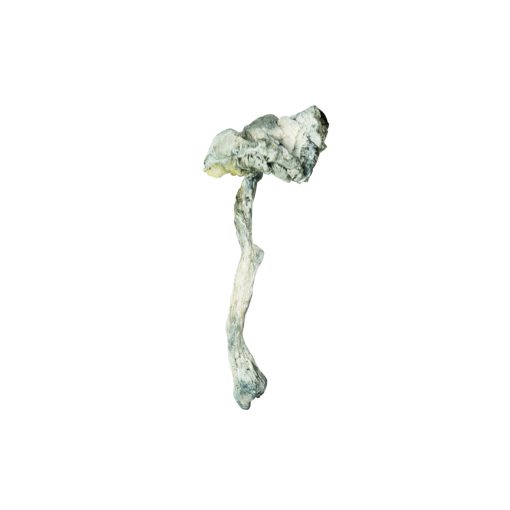
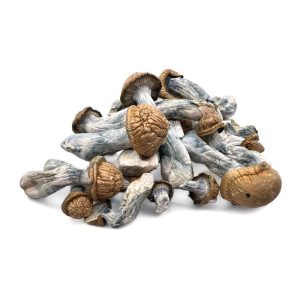
Avery’s Albinos, commonly called Avery’s Albino, is an informal cultivated psychedelic-mushroom lineage associated with Psilocybe cubensis. A modern analytical mushroom database records Avery’s Albino as a Cambodian albino isolate, while community descriptions generally treat it as an albino or leucistic P. cubensis cultivation line rather than a separate scientific species.
That distinction matters whenever Avery’s Albinos appears beside claims about psychedelic mushrooms for PTSD, therapeutic psychedelics, psychedelic mental health treatment, or psilocybin for depression and anxiety.
Modern clinical research generally does not investigate Avery’s Albinos specifically.
Researchers instead use standardized or synthetic psilocybin preparations with carefully measured doses, participant screening, monitoring and psychological support. Current evidence therefore cannot establish that Avery’s Albinos itself treats PTSD, depression or anxiety.
Psilocybin research has nevertheless advanced considerably. By 2026, human clinical research includes randomized depression trials, meta-analyses of psychedelic-assisted psychotherapy and early trials specifically evaluating psilocybin in people with PTSD.
For additional educational material about psychoactive substances and changing research, explore CannabisTopGrade educational resources.
What Are Avery’s Albinos?
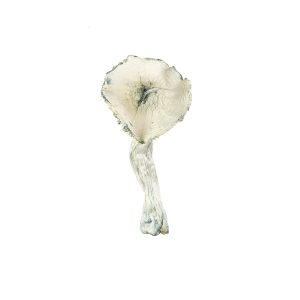
Avery’s Albinos is an informal cultivar name used for a pale or albino-appearing Psilocybe cubensis lineage.
A current testing database identifies one Avery’s Albino lineage as a Cambodian Albino Isolate and reports laboratory analysis for that particular sample.
However, one laboratory result does not establish a universal chemical profile.
Mushrooms sharing a cultivar name can vary because of:
Genetics.
Individual fruiting bodies.
Maturity.
Growing environment.
Storage.
Drying.
Chemical degradation.
Laboratory methodology.
The term Avery’s Albinos therefore should not be treated like a pharmaceutical product name.
It cannot guarantee:
A specific amount of psilocybin.
A specific amount of psilocin.
A predictable duration.
A particular visual experience.
A therapeutic response.
A standardized medical dose.
Avery’s Albinos Potency
Laboratory testing can provide useful information about one tested sample.
The current Avery’s Albino entry in one analytical database reports approximately 0.98% psilocybin and 0.145% psilocin by dry mass for its tested lineage.
Those figures should not be applied to every Avery’s Albinos mushroom.
Informal cultivars are biologically variable.
A product labeled Avery’s Albino from another source could contain a different concentration.
This is one major reason clinical researchers administer standardized psilocybin rather than estimate treatment amounts using informal mushroom names.
Learn About Psychedelics: What Are They?
People searching learn about psychedelics are usually referring to a broad family of substances capable of significantly changing perception, cognition and consciousness.
Classic serotonergic psychedelics include:
Psilocybin.
LSD.
Mescaline.
DMT.
These substances primarily produce their characteristic psychedelic effects through serotonin 5-HT2A receptor activity.
Other substances frequently discussed in psychedelic medicine, including MDMA, have different pharmacology and should not automatically be treated as chemically identical to classic psychedelics.
In July 2026, the FDA finalized specific guidance for clinical investigations involving psychedelic drugs, reflecting the expanding scientific interest in their possible medical applications.
The FDA describes current psychedelic drug development as an active research field involving potential treatments for psychiatric and substance-use disorders.
Therapeutic Psychedelics
The phrase therapeutic psychedelics refers most accurately to psychedelic substances being investigated or administered within structured clinical or research frameworks.
These frameworks may include:
Medical screening.
Psychiatric assessment.
Preparation sessions.
Precisely measured medication.
Professional observation.
Psychological support.
Post-session follow-up.
Adverse-event monitoring.
These elements are important because the therapeutic model is not simply “take a psychedelic.”
A 2026 review in the psychiatric literature concluded that psilocybin shows promising clinical potential, particularly when combined with structured psychotherapeutic support, while emphasizing that small samples, selected populations and short follow-up periods continue to limit the evidence.
Use of Psychedelics in Therapy
The use of psychedelics in therapy differs from conventional daily psychiatric medication.
Many psychedelic-assisted therapy studies involve one or a small number of supervised dosing sessions.
Participants may receive psychotherapy or structured psychological support before and after those sessions.
A 2026 systematic review and meta-analysis examined 23 studies of psychedelic-assisted psychotherapy for depressive or anxiety disorders and reported large symptom improvements across treatment and follow-up periods. Researchers nevertheless identified methodological limitations, including difficulties comparing therapy protocols and limitations in trial design.
Another major meta-analysis found evidence of symptom improvements across depression, anxiety and PTSD research involving psychedelic-assisted therapies, while noting substantial differences among substances and study designs.
This makes the phrase “psychedelic therapy” much more accurate than simply describing recreational psychedelic use as therapy.
Psychedelic Mental Health Treatment
Research into psychedelic mental health treatment currently focuses heavily on:
Major depressive disorder.
Treatment-resistant depression.
Anxiety associated with serious illness.
PTSD.
Substance-use disorders.
Other psychiatric conditions are also being investigated.
The evidence is not equally strong for all conditions.
A 2026 umbrella review of 23 meta-analyses found that psilocybin for depression and MDMA-assisted approaches for PTSD had particularly developed evidence bases compared with many other psychedelic-condition combinations.
This is important because a general statement such as “psychedelics treat mental illness” is too broad.
Evidence needs to be evaluated substance by substance and disorder by disorder.
Psychedelic Mushrooms for PTSD
Interest in psychedelic mushrooms for PTSD has increased substantially, but most scientific research investigates psilocybin rather than whole mushroom cultivars.
Historically, PTSD research involving psilocybin lagged behind research into depression.
A review of psilocybin and trauma-related disorders identified several theoretical reasons the compound might be relevant to PTSD, including possible effects on emotional avoidance, fear processing, psychological flexibility and trauma-related cognition.
By 2026, clinical studies specifically involving PTSD had started reporting human data.
One Phase 2 multicenter study enrolled 22 adults with PTSD and administered a single psilocybin session.
The study primarily evaluated safety and tolerability.
Researchers reported no serious treatment-emergent adverse events or treatment-related withdrawals. PTSD symptom scores also declined during follow-up, although the study was open-label and lacked a randomized placebo-control group.
That is encouraging evidence.
It is not proof that psychedelic mushrooms cure PTSD.
Psilocybin and PTSD Research
Researchers continue to investigate mechanisms through which psilocybin might affect PTSD.
A 2026 review discussed potential effects involving:
Fear processing.
Emotional learning.
Neuroplasticity.
Cognitive flexibility.
Trauma-related memories.
Mood regulation.
These are proposed mechanisms rather than guaranteed clinical outcomes.
PTSD is also highly heterogeneous.
People differ in trauma history, psychiatric comorbidities, medications, cardiovascular health and psychological vulnerability.
That is why controlled studies apply strict eligibility criteria and professional monitoring.
An Avery’s Albinos mushroom cannot be assumed to reproduce the standardized intervention used in these clinical trials.
Which Psychedelic Is Best for Anxiety?
For which psychedelic is best for anxiety, current evidence does not support naming one psychedelic as universally “best.”
Anxiety itself includes several different disorders:
Generalized anxiety disorder.
Panic disorder.
Social anxiety disorder.
Trauma-related anxiety.
Anxiety associated with life-threatening illness.
Different research populations cannot automatically be treated as interchangeable.
Clinical studies have investigated psilocybin, LSD and ayahuasca-related therapies for anxiety and depression.
A systematic review found potentially meaningful antidepressant and anxiolytic effects in supportive clinical settings, but participant numbers were relatively small and study designs differed considerably.
A newer 2026 review also found substantial evidence for psychedelic-assisted psychotherapy across anxiety and depressive disorders while emphasizing methodological limitations.
Therefore, there is no scientifically justified universal “best psychedelic for anxiety.”
Psilocybin for Depression and Anxiety
Research into psilocybin for depression and anxiety is among the most developed areas of modern psychedelic medicine.
A meta-analysis of six randomized controlled trials involving 427 participants found that psilocybin-assisted therapy produced greater improvements in depressive symptoms than control conditions across several follow-up periods.
A separate 2026 meta-analysis found that standard therapeutic-range psilocybin produced greater reductions in major-depression symptoms than comparison conditions.
One randomized study involving 104 participants also found that 25 mg of synthetic psilocybin administered with psychological support produced significant reductions in depressive symptoms compared with niacin.
These studies concern professionally supervised interventions.
They do not demonstrate that Avery’s Albinos has a clinically established antidepressant dose.
Treatment-Resistant Depression Research
Research also increasingly focuses on people whose depression has not responded adequately to conventional treatments.
A 2026 randomized clinical trial studied two oral psilocybin sessions in adults with treatment-resistant major depression.
Participants received synthetic psilocybin within psychotherapeutic sessions rather than mushroom material.
Earlier controlled research also reported significant short-term symptom reductions after a 25-mg synthetic psilocybin dose compared with a very low-dose control.
This reinforces one central point:
Clinical psilocybin research and consuming an informal mushroom cultivar are not equivalent interventions.
Psilocybin Experience
A psilocybin experience can involve major temporary changes in perception, emotion and cognition.
NCCIH notes that effects can vary according to:
Amount consumed.
Individual health.
Personality.
Mood.
Expectations.
Environment.
Type of mushroom.
Previous psychedelic experience.
Other drugs or medications.
Possible experiences may include:
Visual distortions.
Changes in time perception.
Intensified emotions.
Unusual thought patterns.
Altered sense of self.
Feelings of connectedness.
Fear.
Confusion.
Anxiety.
Panic.
Paranoia.
Physical effects can include nausea, dizziness, headache, increased heart rate and elevated blood pressure.
This variability makes statements such as “Avery’s Albinos always produces a peaceful experience” scientifically unreliable.
Are Positive Psychedelic Experiences Guaranteed?
No.
A pleasant or meaningful experience is one possible outcome, not a guarantee.
A 2026 systematic review of anxiety and affective symptoms related to classic psychedelics found that lasting adverse psychological problems appeared less frequently in structured clinical environments but were associated more often with factors such as high exposure, use of multiple drugs, unstructured settings, psychosocial stress and personal or family psychiatric vulnerability.
Clinical safety therefore depends partly on:
Screening.
Preparation.
Environment.
Monitoring.
Professional support.
These conditions cannot be assumed in unsupervised use.
Psychedelic Wellness
Psychedelic wellness is primarily a wellness-industry phrase rather than a formally defined medical specialty.
It may be used commercially to describe:
Retreats.
Coaching.
Integration services.
Meditation programs.
Microdosing programs.
Psychedelic education.
Mental-health services.
Consumers should not assume something is medically validated simply because it is marketed as “psychedelic wellness.”
Evidence-based psychedelic healthcare should be distinguished from general wellness marketing.
Legitimate clinical studies typically specify:
The substance.
Dose.
Diagnosis.
Study population.
Therapeutic framework.
Adverse-event monitoring.
Measured clinical outcomes.
A vague wellness claim generally provides much less scientific information.
For more evidence-focused material on psychoactive substances, visit CannabisTopGrade research resources.
Magic Mushroom Tablets
The phrase magic mushroom tablets can refer to several very different products.
A tablet could theoretically contain:
Ground mushroom material.
A mushroom extract.
Synthetic psilocybin.
Amanita muscaria compounds.
Functional mushroom ingredients.
Other psychoactive compounds.
Or ingredients not obvious from the marketing.
Therefore, the word “mushroom” on a tablet does not establish that it contains psilocybin.
Clinical psilocybin research also should not be confused with retail mushroom tablets.
In clinical PTSD research, for example, one COMP360 protocol administered a standardized synthetic psilocybin formulation in 5-mg capsules, with five capsules making a controlled 25-mg dose under study supervision.
That is fundamentally different from an unverified commercial tablet.
Shroom Tablets
The same caution applies to shroom tablets.
A retail product marketed as a “shroom tablet” does not provide enough information to know its pharmacology or legal status.
Consumers would need to know:
Actual active ingredient.
Measured concentration.
Manufacturing standards.
Laboratory verification.
Contaminants.
Legal classification.
FDA authorization status.
The FDA has also warned that Amanita muscaria, muscimol, ibotenic acid and related constituents are not authorized for use as conventional food ingredients and has advised consumers to avoid foods containing them because of potential harm.
This matters because some commercial products use terms such as “mushroom,” “psychedelic edible” or “legal psychedelic” while containing compounds completely different from psilocybin.
Clinical Capsules vs Commercial Mushroom Tablets
The difference is substantial.
A clinical psilocybin product can have:
Known manufacturing controls.
Specified purity.
Exact dosage.
Controlled storage.
Participant screening.
Medical oversight.
Defined adverse-event procedures.
A commercial “magic mushroom tablet” may not provide equivalent assurances.
For example, the PTSD clinical protocol for COMP360 describes a controlled synthetic psilocybin capsule formulation manufactured specifically as an investigational medicinal product.
Research results involving such preparations cannot automatically be transferred to retail shroom tablets.
What Does “Shrooms W” Mean?
The phrase shrooms w often appears as an incomplete search query rather than a recognized scientific term.
Users may be beginning searches such as:
“shrooms with therapy”
“shrooms with antidepressants”
And “shrooms with PTSD”
or
“shrooms with anxiety.”
There is no medical product or recognized psychedelic category called “shrooms w.”
When researching interactions—especially combinations involving antidepressants, psychiatric medications, alcohol or other psychoactive drugs—it is important to identify the exact substances involved rather than rely on incomplete shorthand.
NCCIH notes that researchers are actively studying interactions between psilocybin and conventional psychiatric medicines such as SSRIs.
Psychedelic Therapy and Antidepressants
Medication interactions remain an important research question.
Historically, many psilocybin trials required participants to discontinue antidepressants before treatment.
That makes it harder to generalize results to people currently taking SSRIs or other psychiatric medications.
NCCIH identifies psychedelic-drug interactions with conventional psychiatric medicines as an active research priority.
People should not stop prescribed antidepressants simply to participate in unsupervised psychedelic use.
Abruptly stopping psychiatric medication can itself produce significant medical and psychological problems.
Can Avery’s Albinos Treat Depression?
There is no clinical evidence demonstrating that Avery’s Albinos specifically treats depression.
Evidence exists for standardized psilocybin-assisted therapy.
That difference should remain explicit.
A clinical trial may administer exactly 25 mg of synthetic psilocybin.
An Avery’s Albinos mushroom may contain a variable amount of psilocybin from specimen to specimen.
The cultivar can also contain other naturally occurring tryptamines in varying proportions.
Therefore, a clinical-trial dose cannot safely or scientifically be translated into a specific quantity of Avery’s Albinos mushrooms.
Can Avery’s Albinos Treat PTSD?
The same principle applies to PTSD.
Recent psilocybin PTSD research is promising but preliminary.
The 22-person Phase 2 study reported improvements in PTSD scores after a supervised treatment session, but because it was open-label and nonrandomized, researchers cannot yet determine how much improvement was caused specifically by psilocybin rather than expectancy, therapeutic support or other factors.
No study has established Avery’s Albinos as a PTSD medication.
Claims such as:
“Avery’s Albino cures PTSD.”
“Avery’s treats trauma.”
“Albino mushrooms eliminate anxiety.”
would therefore exceed current evidence.
FDA and Psychedelic Drug Development in 2026
Psychedelic research has become important enough that the FDA finalized dedicated guidance for psychedelic drug development in July 2026.
The guidance addresses special considerations involved in clinical research on psychedelic drugs for psychiatric, substance-use and other medical conditions.
The FDA has also emphasized continued research and drug-development work in this area.
This signals serious regulatory interest.
It should not be interpreted to mean that every psychedelic mushroom or commercial mushroom tablet has been medically approved.
Psychedelic Mental Health Treatment vs Self-Treatment
This distinction is essential.
A psychedelic-assisted clinical protocol might involve:
Diagnostic assessment.
Medication review.
Cardiovascular screening.
Preparation.
Professional supervision.
Known drug identity.
Known dosage.
Emergency support.
Integration sessions.
Follow-up evaluation.
Self-treatment with unknown mushroom material lacks many or all of these controls.
The 2026 psychiatric literature continues to describe psilocybin as a promising but experimental intervention whose larger-scale safety, efficacy and treatment protocols still require additional study.
Who May Face Greater Psychedelic Risk?
Research trials frequently exclude participants with conditions that could increase risk.
NCCIH cautions that psilocybin is not considered safe for people with psychotic disorders such as schizophrenia and schizoaffective disorder and may also be unsafe in severe forms of bipolar disorder and some other psychiatric conditions.
Additional concerns can include:
Cardiovascular disease.
Medication interactions.
History of mania.
Family history of psychosis.
Concurrent substance use.
Poorly controlled environments.
Unknown product composition.
This helps explain why a substance that appears tolerable in a carefully screened clinical trial cannot automatically be declared safe for the general population.
Frequently Asked Questions
1. What are Avery’s Albinos mushrooms?
Avery’s Albinos, usually called Avery’s Albino, is an informal Psilocybe cubensis cultivar. One modern analytical lineage database records it as a Cambodian albino isolate. It is not recognized as a separate mushroom species, and potency can vary between samples.
2. Can psychedelic mushrooms help PTSD?
Early psilocybin-assisted therapy studies in PTSD have reported encouraging symptom improvements, but evidence remains preliminary. A 2026 Phase 2 study of 22 adults reported meaningful symptom reductions but was open-label and lacked a randomized control group.
3. Which psychedelic is best for anxiety?
Current clinical evidence does not establish one psychedelic as universally best for anxiety. Different substances have been studied in different anxiety populations, and safety depends heavily on diagnosis, medical history, medications and clinical setting.
4. Are magic mushroom tablets the same as clinical psilocybin?
No. Clinical research can use precisely manufactured synthetic psilocybin capsules with known doses and professional supervision. Retail mushroom tablets may contain different mushroom species or psychoactive compounds and may not offer equivalent purity, dose accuracy or oversight.
5. Does psilocybin help depression and anxiety?
Clinical evidence for psilocybin-assisted therapy is strongest for depression, with multiple randomized trials and meta-analyses reporting significant symptom reductions. Research involving anxiety also shows promising results in selected populations, but psilocybin remains an investigational treatment requiring further research.
Final Thoughts on Avery’s Albinos and Psychedelic Therapy
Avery’s Albinos is best described as an informal Psilocybe cubensis cultivation lineage, not a standardized medical product. A modern database describes Avery’s Albino as a Cambodian albino isolate, while laboratory measurements demonstrate the chemistry of particular samples rather than every mushroom carrying the name.
For psychedelic mushrooms for PTSD, recent psilocybin trials provide encouraging early results, but the evidence remains preliminary and does not establish psychedelic mushrooms as standard PTSD treatment.
For therapeutic psychedelics, psychedelic mental health treatment, and use of psychedelics in therapy, the strongest scientific model involves measured substances, careful participant screening and structured professional support. A 2026 meta-analysis found meaningful effects across anxiety and depressive disorders while identifying important methodological limitations.
Regarding which psychedelic is best for anxiety, no substance can currently be identified as universally best. Anxiety disorders differ, and clinical suitability depends on individual health and the particular evidence base.
For learn about psychedelics, the most important principle is to separate clinical evidence from commercial claims. Psychedelics are active areas of psychiatric research, but results from controlled studies cannot automatically be transferred to recreational mushrooms or wellness products.
For psychedelic wellness, the phrase itself is not proof of medical legitimacy.
Regarding magic mushroom tablets and shroom tablets, product composition matters. Clinical psilocybin capsules used in research have known ingredients and doses, while retail mushroom tablets may contain entirely different compounds.
For psilocybin experience, individual responses are highly variable and can include both positive and distressing effects.
Finally, for psilocybin for depression and anxiety, evidence for depression is increasingly substantial, but clinical research still involves carefully controlled treatment protocols rather than self-treatment with Avery’s Albinos or another mushroom cultivar.
For more educational reading, explore CannabisTopGrade psychedelic research and awareness articles.
Recommended Outbound Resources
National Center for Complementary and Integrative Health — Psilocybin for Mental Health
FDA — Psychedelic Drugs: Considerations for Clinical Investigations
PubMed — Psilocybin PTSD Phase 2 Study
PubMed — Psilocybin-Assisted Therapy for Depression Meta-Analysis
| Quantity | 3.5G, 7G, 14G, 28G, 1/4 LB |
|---|
Be the first to review “Avery’s Albinos”
Related products
Bulk Mushrooms
Bulk Mushrooms
Bulk Mushrooms
Bulk Mushrooms
Bulk Mushrooms
Bulk Mushrooms
Bulk Mushrooms
Bulk Mushrooms
Reviews
There are no reviews yet.