
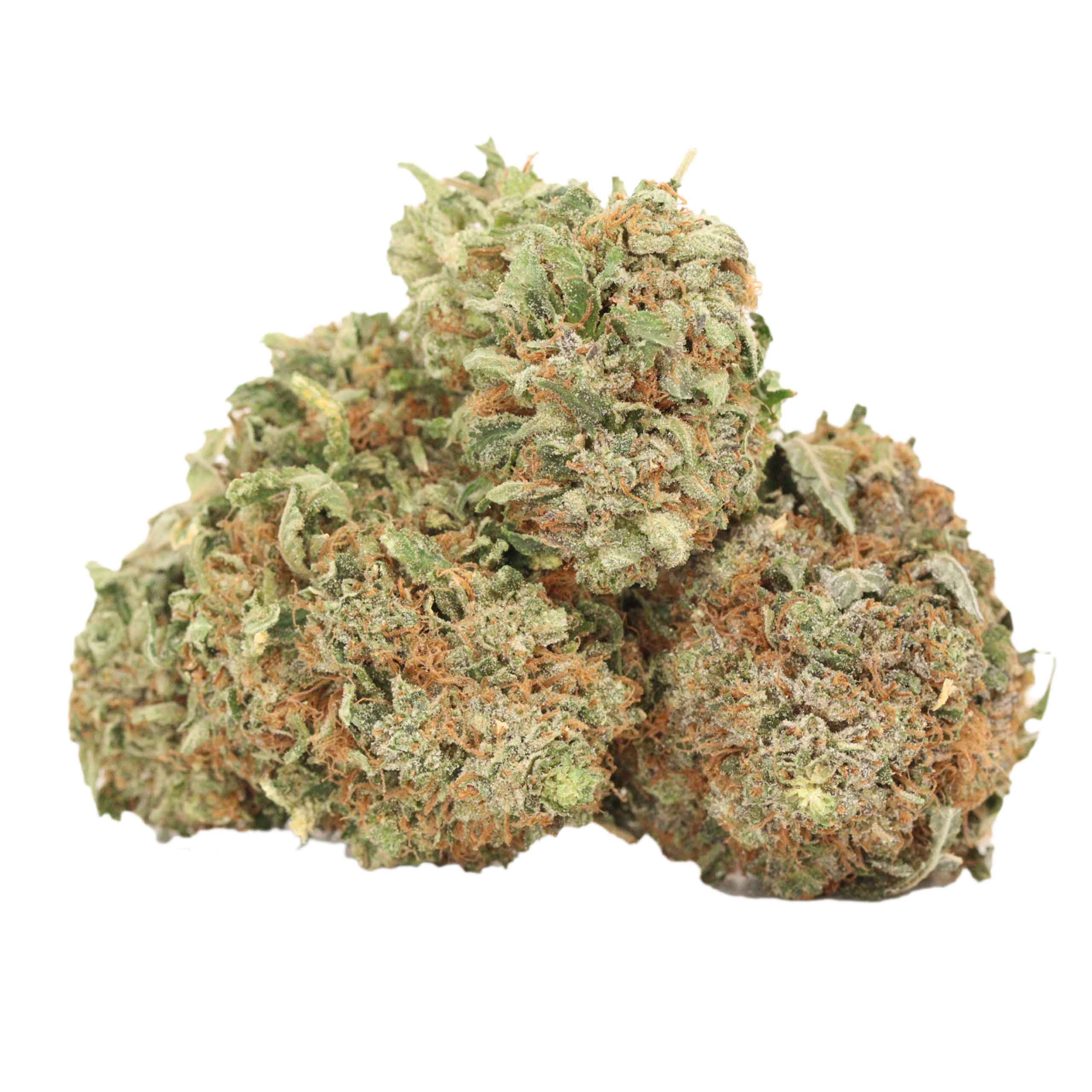
Ginger Breath Strain and the Strange Language of Cannabis
The Ginger Breath strain is an example of something cannabis culture does particularly well: creating memorable names.
Cannabis terminology ranges from formal words such as cannabis and marijuana to familiar expressions such as weed, pot, bud, ganja, herb, flower, grass, Mary Jane, trees, chronic, loud, gas, and zaza.
Then there are deliberately humorous expressions.
People have called marijuana:
- jazz cabbage;
- devil’s lettuce;
- wacky tobaccy;
- electric lettuce;
- giggle bush;
- funny grass;
- sticky icky;
- green goddess;
- left-handed cigarette;
- and many other playful names.
That makes searches for nicknames for pot, funny nicknames for marijuana, what are some other names for marijuana, weird names for weed, funny names for pot, terms for weed, and funny weed nicknames surprisingly rich topics for cannabis education.
But slang can also create confusion.
A nickname for marijuana is different from a strain name, and neither necessarily tells consumers anything reliable about THC concentration, genetics or product quality.
For additional U.S.-focused cannabis terminology and strain education, explore Cannabistopgrade.com.
What Is the Ginger Breath Strain?
Ginger Breath is a cannabis strain name that may appear in cannabis discussions, menus, genetic catalogs or regional markets.
However, unlike highly documented cultivars such as GSC, OG Kush or Wedding Cake, Ginger Breath does not currently have the same level of standardized, authoritative strain information across major cannabis databases.
That distinction matters.
It would be misleading to assign Ginger Breath one universal:
- THC percentage;
- CBD percentage;
- indica/sativa classification;
- breeder;
- terpene profile;
- or genetic lineage
without identifying the specific producer or breeder.
Ginger Breath Strain at a Glance
| Feature | What Can Reliably Be Said |
|---|---|
| Name | Ginger Breath |
| Product category | Cannabis strain/cultivar name |
| Universal THC percentage | Not established |
| Universal CBD percentage | Not established |
| Standardized genetics | Not reliably established |
| Universal terpene profile | Not established |
| Guaranteed effects | None |
| Best information source | Product label, batch testing and breeder information |
This approach is more useful than repeating an unsupported strain description.
Why Cannabis Strain Names Can Be Confusing
Cannabis does not have a universal naming authority controlling every cultivar name.
Breeders can create new crosses and give them distinctive names.
Different producers may also use similar names.
As a result, a strain name does not function like the standardized generic name of a prescription medication.
A product called Ginger Breath in one market may not necessarily have identical chemistry to another product carrying the same or a similar name elsewhere.
What Does “Breath” Mean in Cannabis Strain Names?
“Breath” has become a recognizable naming convention in modern cannabis breeding.
It appears in cultivar names such as:
- Peanut Butter Breath;
- Meat Breath;
- Mendo Breath;
- Garlic Breath;
- Dragon’s Breath;
- and other Breath-related crosses.
The word does not describe a special cannabis product category.
Instead, it usually forms part of the cultivar’s branding or genetic naming history.
Therefore, seeing “Breath” in Ginger Breath does not automatically tell someone:
- how strong it is;
- how it will smell;
- whether it is indica or sativa;
- or what effects it will produce.
Why Is Cannabis Given Weird Names?
Cannabis breeders often create strain names by combining:
- parent strain names;
- aromas;
- flavors;
- foods;
- desserts;
- animals;
- colors;
- locations;
- pop-culture references;
- jokes;
- and memorable phrases.
This has produced one of the most unusual naming cultures in modern agriculture.
A name can help a strain stand out, but it does not replace laboratory information.
Nicknames for Pot
Pot is itself a nickname for marijuana.
Other commonly recognized nicknames include:
| Nickname | Typical Meaning |
|---|---|
| Weed | General marijuana slang |
| Pot | Long-standing American slang |
| Ganja | Cultural/historical cannabis term |
| Herb | Informal plant-related term |
| Grass | Older cannabis slang |
| Mary Jane | Popular marijuana nickname |
| Reefer | Historical slang |
| Bud | Cannabis flower |
| Flower | Common regulated-market term |
| Trees | Modern slang for flower |
| Green | General cannabis slang |
| Chronic | Quality/potency-related slang |
| Loud | Strong-aroma slang |
| Gas | Aroma/quality slang |
| Zaza | Modern premium-cannabis slang |
Some are hundreds of years old in origin, while others became popular much more recently.
Funny Nicknames for Marijuana
Cannabis culture contains plenty of intentionally humorous terminology.
Some funny nicknames for marijuana include:
- jazz cabbage;
- devil’s lettuce;
- electric lettuce;
- wacky tobaccy;
- giggle bush;
- funny grass;
- happy herb;
- sticky icky;
- green goddess;
- left-handed cigarette.
These expressions generally describe cannabis humorously rather than identifying particular products.
Jazz Cabbage
Jazz cabbage is an intentionally funny term associated with marijuana’s historical connection to jazz culture.
Cannabis was discussed in parts of the American jazz scene during the early twentieth century.
Today, the expression is usually used as a joke.
Devil’s Lettuce
Devil’s lettuce is one of the best-known humorous names for marijuana.
The phrase reflects older fear-based descriptions of cannabis.
Modern speakers often use it ironically.
It is neither a scientific term nor a cannabis strain.
Electric Lettuce
Electric lettuce plays on marijuana’s leafy appearance and psychoactive nature.
It is essentially a humorous variation of devil’s lettuce.
Wacky Tobaccy
Wacky tobaccy compares marijuana with tobacco while joking about its intoxicating effects.
It is an older expression but remains widely recognizable.
Giggle Bush
Giggle bush humorously references laughter that some people report after cannabis use.
The term does not represent a botanical category or guaranteed effect.
Sticky Icky
Sticky icky describes resinous cannabis flower.
The phrase became especially recognizable through popular music and cannabis culture.
Cannabis flower can feel sticky because trichomes contain resinous compounds, but “sticky icky” is not an official quality grade.
What Are Some Other Names for Marijuana?
The answer depends on whether someone wants formal terminology, historical language or slang.
Formal or Common Terms
Cannabis — the broad botanical and scientific term.
Marijuana — a widely used legal and cultural term.
Flower — commonly used for dried cannabis buds in regulated markets.
Familiar Slang
Weed — probably the most recognizable modern U.S. slang.
Pot — long-standing American cannabis slang.
Bud — usually refers specifically to cannabis flower.
Herb — an informal plant-related term.
Cultural and Historical Terms
Ganja — historically connected with South Asia and strongly associated with Jamaican cannabis culture.
Grass — especially prominent in twentieth-century American slang.
Reefer — historical marijuana slang.
Mary Jane — a popular American nickname.
More Recent Slang
Trees — cannabis flower.
Gas — strong-smelling or supposedly desirable cannabis.
Loud — pungent-smelling cannabis.
Zaza — slang for supposedly exotic or premium marijuana.
Weird Names for Weed
The “weirdest” cannabis names are often humorous euphemisms rather than everyday vocabulary.
Examples include:
Jazz cabbage
Devil’s lettuce
Electric lettuce
Giggle bush
Wacky tobaccy
Happy herb
Green goddess
Funny grass
Sticky icky
Cannabis strain names can become even stranger because breeders are free to create distinctive cultivar names.
Why Humor Became Part of Cannabis Language
Cannabis humor developed partly because marijuana spent decades in a highly stigmatized and criminalized environment.
Slang offered people a way to communicate indirectly.
Later, popular culture transformed many older expressions into jokes.
Modern legalization added another layer as cannabis terminology moved from counterculture into:
- legislation;
- medical programs;
- scientific research;
- licensed retail;
- and mainstream media.
Funny Names for Pot
Different generations have their own favorites.
| Funny Name | General Meaning |
|---|---|
| Jazz cabbage | Marijuana |
| Devil’s lettuce | Marijuana |
| Wacky tobaccy | Marijuana |
| Electric lettuce | Marijuana |
| Giggle bush | Marijuana |
| Sticky icky | Resinous cannabis |
| Funny grass | Marijuana |
| Happy herb | Marijuana |
| Green goddess | Playful cannabis nickname |
None tells consumers how much THC a product contains.
Terms for Weed
Cannabis terminology becomes easier to understand when divided into categories.
General Terms
- cannabis;
- marijuana;
- weed;
- pot.
Flower Terms
- flower;
- bud;
- nug;
- trees.
Historical Slang
- grass;
- reefer;
- Mary Jane.
Cultural Terms
- ganja;
- herb.
Quality and Aroma Slang
- gas;
- loud;
- fire;
- dank;
- exotic;
- zaza;
- top shelf.
These final terms are highly subjective.
Mary Jane
Mary Jane has been used as a marijuana nickname for generations.
It became deeply embedded in:
- American music;
- movies;
- television;
- comedy;
- and cannabis culture.
It is informal rather than scientific.
Reefer
Reefer is strongly associated with marijuana’s twentieth-century prohibition history.
The expression became especially recognizable because of the cultural phrase “reefer madness.”
It now sounds deliberately old-fashioned in many contexts.
Grass
Grass was particularly common during the counterculture era.
It refers to cannabis as plant material.
Modern consumers are generally more likely to say weed or flower.
Ganja
Ganja has a much longer linguistic history.
Its roots extend to South Asia, although the term later became internationally associated with Jamaica and Rastafarian culture.
Reggae helped make the word recognizable worldwide.
Herb
Herb is another common informal term.
However, “herb” can describe many plants.
Someone discussing herbs is not necessarily discussing cannabis.
Bud
Bud is more specific than weed.
It generally refers to the harvested flower of the cannabis plant.
Modern licensed retailers often use flower as the corresponding formal retail term.
Nug
A nug or nugget generally means an individual piece of cannabis flower.
It comes from the compact appearance of dried buds.
Trees
Trees is contemporary slang for cannabis flower.
It is not a botanical classification.
Green
Green can function as marijuana slang because cannabis is commonly associated with green plant material.
The term is broad and highly context-dependent.
Chronic
Chronic became widely recognized through West Coast cannabis culture and music.
It commonly suggests supposedly strong or high-quality marijuana.
There is no standardized “chronic” potency level.
Loud
Loud usually describes cannabis with an intense aroma.
A consumer might refer to a pungent batch as “loud.”
Strong aroma does not automatically equal high THC.
Gas
Gas is often associated with:
- diesel;
- chemical;
- fuel;
- or pungent cannabis aromas.
It can also simply mean cannabis that someone considers high quality.
Fire
Fire is praise.
Calling marijuana “fire” generally means the speaker considers it very good.
It does not represent a laboratory grade.
Dank
Dank similarly describes cannabis someone considers strong-smelling or desirable.
It is subjective.
Zaza
Zaza, or za, is comparatively modern cannabis slang.
It generally refers to supposedly premium, rare or exotic marijuana.
Social media and music helped popularize the expression.
There is no official zaza category.
Exotic
Exotic is commonly used as a cannabis marketing term.
It may imply:
- rare genetics;
- unusual appearance;
- unusual aroma;
- premium cultivation;
- or high price.
Those characteristics are not guaranteed.
Top Shelf
Top shelf generally means premium cannabis.
The expression comes from retail language suggesting that the best products occupy the highest shelf.
There is no single national regulatory definition of top-shelf marijuana.
Weed Nicknames: Funny vs. Formal
Understanding context is important.
| Funny/Slang | More Formal Equivalent |
|---|---|
| Jazz cabbage | Cannabis |
| Devil’s lettuce | Marijuana/cannabis |
| Trees | Cannabis flower |
| Bud | Cannabis flower |
| Pot | Marijuana |
| Ganja | Cannabis |
| Gas | Pungent cannabis |
| Zaza | Supposed premium cannabis |
| Sticky icky | Resinous cannabis flower |
Formal terminology is preferable when discussing science, medicine or law.
Strain Names Are Different From Weed Nicknames
This is an important distinction.
Weed nicknames describe cannabis generally.
Examples:
- pot;
- weed;
- ganja;
- grass;
- Mary Jane.
Strain names identify specific or purported cultivars.
Examples include:
- Ginger Breath;
- GSC;
- Wedding Cake;
- OG Kush;
- Trainwreck;
- Mendo Breath.
The two categories sometimes overlap culturally, but they are not the same.
Why “Breath” Appears in So Many Strain Names
Modern cannabis genetics frequently use recognizable naming families.
“Breath” is one of them.
Other recurring strain-name words include:
- Kush;
- Cookies;
- Cake;
- Gelato;
- Diesel;
- Haze;
- Runtz;
- Glue;
- Skunk;
- OG.
These words can sometimes indicate genetic relationships, but a shared word does not prove two cultivars are closely related.
Kush
Kush is particularly interesting because it can be both a genetic term and slang.
Historically, Kush is connected with cannabis from the Hindu Kush region.
Modern Kush-family cultivars include names such as:
- Hindu Kush;
- OG Kush;
- Bubba Kush;
- Purple Kush;
- Master Kush.
In casual conversation, some people use Kush more broadly for marijuana.
Haze
Haze is another famous cannabis family name.
It appears in cultivars such as:
- Super Lemon Haze;
- Amnesia Haze;
- Neville’s Haze.
Again, seeing “Haze” in a name does not tell consumers the exact cannabinoid profile.
Cookies
Cookies became one of the most influential naming families in modern cannabis after GSC and related genetics became prominent.
Numerous modern cultivars now contain:
- Cookies;
- Cake;
- dessert;
- candy
terminology.
Cannabis Names Can Be Marketing
Strain naming increasingly intersects with branding.
A memorable name can make cannabis easier to market.
However, creative packaging and unusual names cannot verify:
- genetics;
- THC concentration;
- CBD concentration;
- terpene levels;
- contaminants;
- or regulatory compliance.
Those require better evidence.
How to Identify a Cannabis Product More Accurately
Where cannabis is legally regulated, consumers can learn more from a compliant product label than from slang.
Useful information can include:
- THC concentration;
- CBD concentration;
- serving information;
- batch identification;
- testing information;
- producer;
- ingredients;
- and required warnings.
For a less-documented cultivar such as Ginger Breath, these details become particularly important.
Does a Strain Name Guarantee Effects?
No.
Cannabis experiences depend on many variables.
These include:
- THC concentration;
- other cannabinoids;
- product format;
- individual tolerance;
- frequency of use;
- other substances;
- and biological differences.
A funny strain name cannot predict an individual’s response.
Indica and Sativa Names Have Limits
Even familiar labels such as indica, sativa and hybrid should not be treated as guarantees of particular effects.
Modern cannabis breeding has produced extensive genetic mixing.
The actual cannabinoid and terpene profile can provide additional information beyond the category printed beside a strain name.
THC and Cannabis Slang
Calling marijuana “weed,” “pot” or “jazz cabbage” does not change what THC does.
THC is the principal intoxicating cannabinoid in marijuana.
It can affect functions including:
- memory;
- learning;
- attention;
- coordination;
- decision-making;
- reaction time.
Individual responses vary.
Cannabis and Driving
Whether someone calls cannabis:
- marijuana;
- pot;
- weed;
- ganja;
- trees;
- loud;
- gas;
- or devil’s lettuce,
driving while impaired remains unsafe.
THC can affect skills needed to operate a vehicle safely.
Cannabis and Alcohol
Combining cannabis with alcohol can increase impairment.
Legal status does not eliminate this risk.
Consumers should also remember that product names such as Ginger Breath provide no information about interactions with alcohol or medications.
Cannabis Use Disorder
Some people who use cannabis develop cannabis use disorder.
Possible signs include:
- craving;
- increasing tolerance;
- using more than intended;
- difficulty reducing use;
- withdrawal;
- and continued use despite problems.
Humorous terminology should not obscure legitimate public-health considerations.
Cannabis Slang and U.S. Law
Cannabis law depends on statutory definitions, not slang.
A state may specifically define:
- cannabis;
- marijuana;
- THC;
- hemp;
- cannabis concentrate;
- marijuana product;
- usable marijuana.
Calling something “herb” or “zaza” does not change its legal classification.
Marijuana Laws Vary by State
Cannabis remains regulated differently throughout the United States.
Depending on the jurisdiction, marijuana may be:
- legal for medical use;
- legal for adult use;
- decriminalized in certain circumstances;
- or prohibited outside limited exceptions.
Readers should check current state law rather than assuming cannabis slang reflects legality.
Educational Resources
For additional cannabis terminology, strain education and U.S. marijuana-law information, explore Cannabistopgrade.com.
Regarding evidence-based information about cannabis and its potential health effects, consult CDC Cannabis and Public Health.
For state-by-state cannabis legislation and policy developments, consult the NCSL State Cannabis Policy Enactment Database.
Concerning biomedical cannabis research and published scientific literature, explore PubMed cannabis research.
Readers can continue exploring cannabis terminology, strains, cannabinoids and U.S. cannabis policy through Cannabistopgrade.com.
Frequently Asked Questions
1. What is the Ginger Breath strain?
Ginger Breath is a cannabis strain name, but reliable public documentation does not currently establish one universal genetic lineage, THC percentage or terpene profile across all products carrying the name. Product-specific laboratory and breeder information is therefore more useful than assuming standardized characteristics.
2. What are common nicknames for pot?
Common nicknames include weed, ganja, herb, grass, Mary Jane, reefer, bud, trees, green and chronic. Modern slang also includes terms such as gas, loud and zaza.
3. What are some funny nicknames for marijuana?
Examples include jazz cabbage, devil’s lettuce, wacky tobaccy, electric lettuce, giggle bush, funny grass, happy herb and sticky icky. These are humorous expressions rather than formal cannabis terminology.
4. What are some other names for marijuana?
Cannabis, weed, pot, ganja, herb, grass, bud, flower, Mary Jane and reefer are widely recognized alternatives. Their usage differs by region, generation and context.
5. Are weird names for weed actual cannabis strains?
Not necessarily. Names such as devil’s lettuce and jazz cabbage are general marijuana nicknames. Ginger Breath, GSC and Wedding Cake, by contrast, are used as cultivar or strain names.
6. Why does marijuana have so many nicknames?
Cannabis terminology developed through international cultures, prohibition, regional language, music, counterculture and modern internet culture. Legalization has added more formal terms such as cannabis flower, medical cannabis and adult-use cannabis.
Be the first to review “Ginger Breath Strain”
Related products
Indica strains
Indica strains
Indica strains
Indica strains
Indica strains
Indica strains
Indica strains
Indica strains
Reviews
There are no reviews yet.