Purple Kush weed strain
Purple Kush weed strain is one of the best-known purple indica cultivars in modern cannabis culture. The strain is strongly associated with California and is commonly described as a cross between Hindu Kush and Purple Afghani.
Purple Kush developed a reputation for:
- deep purple flowers;
- grape-like aromas;
- earthy Kush characteristics;
- relaxing consumer reports;
- sleepiness;
- appetite stimulation.
Leafly currently lists Purple Kush at approximately 19% THC and 0% CBD on its reference profile. Its most commonly reported effects are sleepy, hungry and relaxed, while the listed dominant terpenes are myrcene, pinene and caryophyllene.
Those figures should not be treated as permanent specifications.
Cannabis chemistry changes from one producer and batch to another.
This guide also addresses high-intent local searches such as recreational dispensary near me, marijuana dispensary near me, weed near me, cannabis store near me, weed shop near me, THC near me, and pot shop near me.
Those phrases are discussed strictly within licensed, state-regulated cannabis markets.
For more U.S.-focused cannabis education, visit Cannabistopgrade.com.
What Is Purple Kush?
Purple Kush is a classic cannabis strain generally classified as indica.
It is commonly reported as a genetic cross between:
Hindu Kush × Purple Afghani
Both parent lines are associated with traditional indica cannabis genetics.
This helps explain Purple Kush’s longstanding reputation as a deeply relaxing, nighttime-oriented cultivar.
Purple Kush Quick Profile
| Characteristic | Purple Kush |
|---|---|
| Classification | Indica |
| Common lineage | Hindu Kush × Purple Afghani |
| Reference THC | About 19% |
| Reference CBD | 0% |
| Common effects | Sleepy, hungry, relaxed |
| Common flavors | Grape, violet, earthy |
| Dominant terpenes | Myrcene, pinene, caryophyllene |
| Famous trait | Purple flower coloration |
| Exact chemistry fixed? | No |
The actual laboratory analysis on a regulated product is more useful than assuming every Purple Kush flower has the same profile.
Purple Kush Genetics
Purple Kush is widely associated with a cross of Hindu Kush and Purple Afghani.
That gives the cultivar deep connections with Kush and Afghan cannabis lineages.
These genetic families are historically associated with:
- compact plant structure;
- dense flowers;
- resin production;
- earthy aromas;
- indica-oriented classification.
Purple Kush became a modern American expression of those older cannabis traditions.
Hindu Kush Parent
Hindu Kush is one of the most historically important names in cannabis.
It is associated with the mountainous Hindu Kush region spanning parts of Afghanistan and Pakistan.
Cannabis from this region has strongly influenced modern indica breeding.
Purple Kush inherits part of its Kush identity from this genetic line.
Purple Afghani Parent
A Purple Afghani contributes the purple genetic association.
Afghan cannabis genetics are historically associated with:
- compact growth;
- resinous flowers;
- earthy aromas;
- broad leaves.
Purple expression can vary depending on phenotype and environment.
Is Purple Kush Indica or Sativa?
Purple Kush is generally classified as indica.
Leafly currently describes it as a pure indica strain.
However, cannabis effects should not be predicted from the word indica alone.
Individual response also depends on:
- THC concentration;
- minor cannabinoids;
- terpenes;
- dose;
- tolerance;
- individual physiology.
Indica and sativa remain useful commercial labels, but they do not completely describe cannabis chemistry.
What Does Purple Kush Look Like?
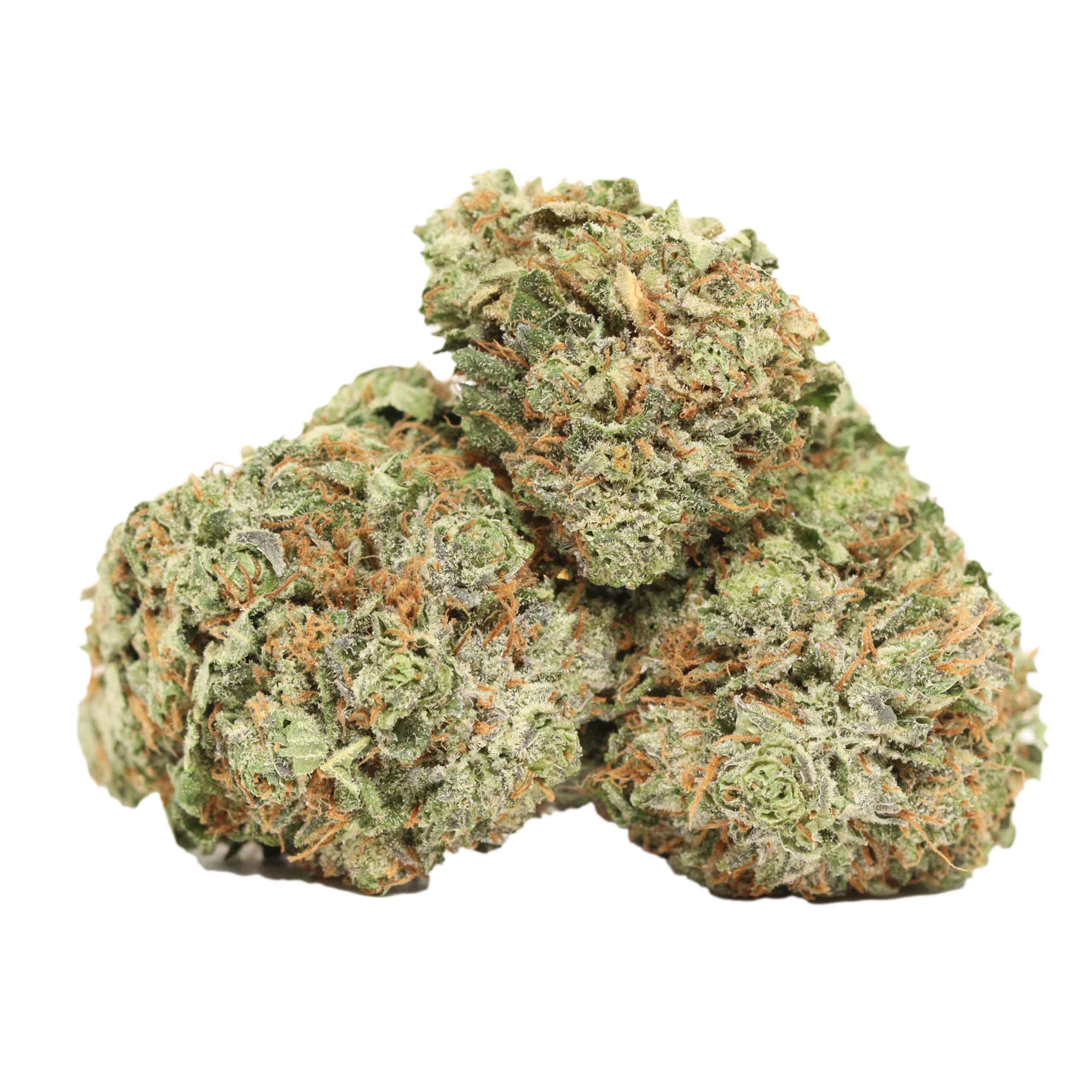
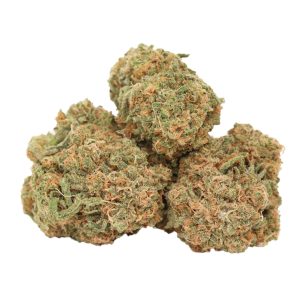
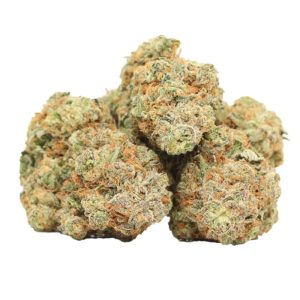
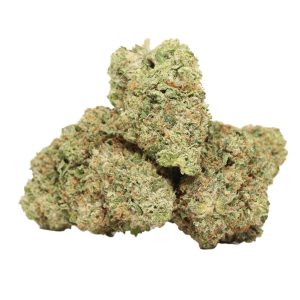
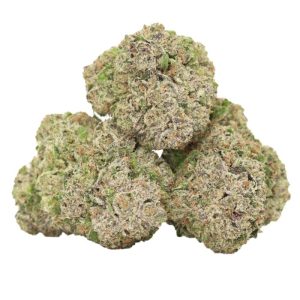
Purple Kush is famous for visually striking flower.
Depending on the phenotype and cultivation environment, buds can display:
- deep purple;
- dark green;
- violet;
- orange pistils;
- heavy trichome coverage.
The contrast between dark coloration and pale trichomes can make mature Purple Kush especially distinctive.
Why Is Purple Kush Purple?
The purple coloration comes primarily from plant pigments known as anthocyanins.
Anthocyanins occur naturally in many plants, including:
- blueberries;
- grapes;
- red cabbage;
- purple flowers.
Cannabis genetics determine whether a plant can strongly express these pigments.
Environmental conditions can influence how much purple coloration becomes visible.
Does Purple Color Mean Stronger Cannabis?
No.
Purple cannabis is not automatically stronger.
Color does not reliably indicate:
- THC percentage;
- CBD percentage;
- potency;
- quality.
A green cannabis strain can contain more THC than a purple strain.
The cannabinoid label matters more than appearance.
Purple Kush THC
Leafly’s current Purple Kush reference profile lists about 19% THC.
This provides a useful general reference.
It does not mean every Purple Kush product contains exactly 19% THC.
Cannabis potency can vary according to:
- phenotype;
- cultivation;
- plant health;
- harvest;
- processing;
- laboratory testing.
Some regulated Purple Kush batches can test higher or lower.
Is Purple Kush Strong?
Purple Kush is generally considered THC-dominant cannabis.
Its reputation for pronounced relaxation contributes to perceptions of potency.
However, modern cannabis markets contain strains and concentrates with considerably higher THC percentages.
A strain does not need extremely high THC to produce noticeable effects.
Does Higher THC Mean Better Purple Kush?
No.
Cannabis quality cannot be reduced to one THC number.
Useful factors include:
- freshness;
- aroma;
- terpene preservation;
- contaminant testing;
- cannabinoid balance;
- storage.
Higher THC can also increase the likelihood of unpleasant effects for some consumers.
Purple Kush Effects
Leafly’s consumer reports most commonly associate Purple Kush with:
- sleepiness;
- hunger;
- relaxation.
These effects fit the strain’s longstanding indica reputation.
Individual experiences can still vary substantially.
Purple Kush and Relaxation
Purple Kush is widely associated with physical relaxation.
This makes it one of the strains frequently discussed in conversations about relaxing indica cannabis.
However, a consumer-reported relaxing effect should not be converted into a medical treatment claim.
Does Purple Kush Make You Sleepy?
Sleepiness is one of the most commonly reported Purple Kush effects.
That reputation explains why the strain is often discussed as evening-oriented cannabis.
However, this does not establish Purple Kush as an approved treatment for insomnia.
Cannabis and sleep research remains mixed.
Purple Kush and Appetite
Hunger is another commonly reported effect.
THC can influence appetite in some people.
This effect is not unique to Purple Kush and should not be considered guaranteed.
Purple Kush and Anxiety
Cannabis can produce very different psychological responses.
Some consumers report calmness.
Others can experience:
- anxiety;
- panic;
- paranoia;
- racing thoughts.
The risk can increase with greater THC exposure in some individuals.
Purple Kush and Pain
Cannabinoids have been studied for certain types of pain.
However, general cannabis research does not prove that Purple Kush specifically treats pain.
Strain-specific medical claims require stronger evidence than consumer reviews.
Purple Kush Aroma
Purple Kush is commonly associated with:
- grape;
- violet;
- earthy;
- sweet;
- Kush-like aromas.
Its combination of fruit and earth contributes to its recognizable reputation.
Purple Kush Flavor
Flavor descriptions commonly include:
- grape;
- sweet fruit;
- violet;
- earth.
Flavor perception can vary between people and batches.
Purple Kush Terpenes
Leafly currently lists Purple Kush’s primary terpenes as:
- myrcene;
- pinene;
- caryophyllene.
Terpene percentages can still vary from one product to another.
Myrcene
Myrcene is common in cannabis and contributes earthy, herbal and musky aromas.
It appears in many indica and hybrid strains.
The presence of myrcene alone does not guarantee sleepiness.
Pinene
Pinene contributes pine-like aromas.
It occurs naturally in:
- pine trees;
- rosemary;
- basil;
- cannabis.
Its presence helps explain some fresh or woody characteristics in cannabis aroma profiles.
Caryophyllene
Beta-caryophyllene contributes spicy and peppery aromas.
It occurs in cannabis as well as black pepper and other plants.
Its presence does not make a product a clinically proven medicine.
Purple Kush vs. Purple Urkle
A Purple Kush and Purple Urkle are both famous purple indica-oriented cultivars.
Purple Urkle is associated with California’s Mendocino purple cannabis heritage.
A Purple Kush is more commonly documented as:
Hindu Kush × Purple Afghani
Their appearance can overlap, but they are separate strain identities.
Purple Kush vs. Granddaddy Purple
Granddaddy Purple is another iconic purple indica.
Both strains are associated with:
- relaxation;
- purple coloration;
- sweet aromas.
Granddaddy Purple and Purple Kush nevertheless have different genetic histories.
Purple Kush vs. Purple Banner
A Purple Banner is generally described commercially as a hybrid associated with:
Purple Kush × Bruce Banner
That makes Purple Kush part of the reported Purple Banner genetic family.
Purple Banner should not be confused with Purple Kush itself.
Purple Kush vs. Purple OG Kush
A Purple OG Kush is generally associated with:
OG Kush × Purple Kush
It therefore combines Purple Kush genetics with OG Kush.
Purple OG Kush remains a separate cultivar.
Purple Kush vs. Blackwater
Blackwater is commonly associated with:
Mendo Purps × SFV OG Kush
Although both can display purple characteristics, their reported genetics differ considerably.
Purple Kush Flower
Purple Kush flower consists of dried cannabis buds marketed under the strain name.
A regulated product label may include:
- THC;
- CBD;
- weight;
- producer;
- package date;
- batch number;
- testing information.
These details help consumers evaluate the actual product rather than relying solely on the strain name.
Purple Kush Pre-Rolls
Purple Kush can appear in pre-roll form.
Standard pre-rolls generally contain prepared cannabis flower.
Infused pre-rolls may contain additional cannabis concentrates.
Infusion can substantially change total cannabinoid exposure.
Purple Kush Vapes
Purple Kush can also appear on vape product labels.
A Purple Kush vape may contain:
- distillate;
- live resin;
- rosin;
- terpene blends.
A vape carrying the strain name should not automatically be assumed chemically identical to flower.
Purple Kush Concentrates
Concentrated Purple Kush products can have considerably higher THC concentrations than conventional flower.
Examples can include:
- live resin;
- rosin;
- wax;
- crumble.
Product format is therefore an important part of potency assessment.
Purple Kush and Brain Health
THC can temporarily affect important brain functions.
The CDC identifies effects involving:
- memory;
- learning;
- attention;
- decision-making;
- coordination;
- emotions;
- reaction time.
These considerations apply regardless of whether cannabis is labeled indica, sativa or hybrid.
Purple Kush and Driving
Cannabis can impair:
- reaction time;
- coordination;
- decision-making;
- perception.
People should not drive while impaired by Purple Kush or another THC-containing cannabis product.
Purple Kush and Alcohol
Using cannabis and alcohol together can increase impairment.
A person’s subjective feeling that they are relaxed or comfortable does not establish that driving or other complex activities are safe.
Purple Kush and Cannabis Use Disorder
Repeated cannabis use can contribute to cannabis use disorder in some people.
Potential signs include:
- craving;
- increasing tolerance;
- difficulty cutting down;
- continued use despite problems;
- using cannabis in risky situations.
Higher THC exposure can increase the intensity of cannabis’s effects.
Recreational Dispensary Near Me
The search phrase recreational dispensary near me usually reflects a desire to locate a legal adult-use cannabis retailer.
Whether such retailers exist depends entirely on state and local law.
Where recreational cannabis sales are lawful, appropriately licensed dispensaries can sell regulated marijuana products to eligible adults.
Marijuana Dispensary Near Me
A marijuana dispensary near me search can return several types of businesses.
Results can include:
- licensed adult-use dispensaries;
- medical marijuana dispensaries;
- hemp stores;
- CBD retailers;
- unlicensed businesses.
These categories are not legally interchangeable.
Weed Near Me
The phrase weed near me is broad.
A search result appearing nearby does not prove that the business is authorized to sell marijuana.
Consumers in legal markets should prioritize state cannabis license verification.
Cannabis Store Near Me
A cannabis store near me can mean either a licensed marijuana retailer or a business selling hemp-derived products.
The business model and regulatory framework matter.
Where marijuana retail is regulated, official state licensing information provides stronger verification than search-engine rankings.
Weed Shop Near Me
The phrase weed shop near me can produce results ranging from licensed cannabis retailers to smoke shops.
A smoke shop does not automatically hold a marijuana retail license.
Consumers should distinguish between:
- marijuana dispensaries;
- hemp shops;
- smoke shops;
- CBD stores.
THC Near Me
Searching THC near me can produce many product categories.
Depending on jurisdiction, these can include:
- marijuana flower;
- cannabis concentrates;
- edibles;
- regulated hemp products.
THC legality and product rules can differ substantially by state.
Pot Shop Near Me
“Pot shop” is another informal term for a marijuana retailer.
A legal pot shop operates under applicable state and local cannabis licensing requirements.
License verification remains important because the terminology itself does not prove legality.
What Is a Recreational Dispensary?
A recreational dispensary is a cannabis retailer authorized to sell adult-use marijuana under state law.
Requirements may involve:
- licensing;
- age restrictions;
- product testing;
- packaging;
- inventory tracking;
- purchase limits.
Rules vary substantially between states.
Recreational vs. Medical Dispensaries
Medical cannabis dispensaries serve people who meet their jurisdiction’s medical cannabis requirements.
Adult-use retailers serve eligible adults under recreational cannabis laws.
Some businesses participate in both systems.
Others operate under only one.
Do All States Have Recreational Dispensaries?
No.
Cannabis policy remains different across the United States.
Some states permit:
- adult-use cannabis;
- medical cannabis.
Others permit medical cannabis but not recreational retail.
Some maintain stronger marijuana prohibitions.
Current law should always be checked state by state.
Local Cannabis Laws Matter
State legalization does not necessarily mean every municipality permits cannabis stores.
Local governments may have authority over:
- zoning;
- retail locations;
- operating hours;
- delivery;
- business licensing.
This means two nearby cities can have different cannabis retail environments.
How to Verify a Cannabis Store
Official state cannabis regulators often maintain license databases.
Where such databases exist, consumers can verify:
- business name;
- location;
- license status.
This is more reliable than assuming a retailer is licensed because it ranks highly in search results.
Licensed Dispensary vs. Smoke Shop
The distinction is important.
A licensed marijuana dispensary operates under state cannabis regulations.
A smoke shop may mainly sell:
- accessories;
- tobacco-related products;
- hemp-derived products.
The word “weed” in advertising does not necessarily mean the business is licensed for marijuana.
Cannabis Product Testing
Regulated cannabis markets may require testing for:
- THC;
- CBD;
- pesticides;
- microbial contaminants;
- heavy metals;
- residual solvents.
Requirements vary by jurisdiction.
Testing cannot eliminate all cannabis risk, but it provides an additional regulatory safeguard.
Recreational Dispensary Menus
Licensed retailers often organize products into categories including:
- flower;
- pre-rolls;
- vapes;
- edibles;
- concentrates;
- tinctures.
Purple Kush may appear in one or more of these formats when available.
Can You Find Purple Kush Near You?
Purple Kush availability varies by:
- state;
- producer;
- dispensary;
- harvest cycle.
A retailer carrying Purple Kush today may not carry it later.
Strain inventories change rapidly.
Purple Kush at a Marijuana Dispensary
Where legal cannabis retail exists, Purple Kush may appear on licensed dispensary menus.
Consumers should compare the actual regulated label rather than assuming every Purple Kush product is identical.
Useful details include:
- THC;
- CBD;
- terpenes;
- package date;
- testing;
- producer.
Cannabis Stores and Online Menus
Many licensed cannabis stores publish online menus.
This allows consumers to research products before visiting or arranging permitted local fulfillment.
An online menu should not be confused with unrestricted nationwide marijuana shipping.
Recreational Cannabis Delivery
Some regulated adult-use markets permit licensed cannabis delivery.
Other jurisdictions restrict or prohibit it.
Local regulations can also affect whether delivery is allowed.
Marijuana Purchase Limits
Legal cannabis jurisdictions can establish purchase and possession limits.
These vary by state and sometimes by product category.
The existence of a recreational dispensary does not eliminate those limits.
Recreational Cannabis Age Requirements
Adult-use cannabis programs generally establish a minimum legal age.
Medical programs can operate under different eligibility rules.
Retailers may be required to verify identification.
Cannabis and Public Consumption
Legal possession does not necessarily mean cannabis can be consumed anywhere.
Many jurisdictions restrict smoking or consuming cannabis in:
- public places;
- vehicles;
- workplaces;
- certain residential settings.
Local rules matter.
Purple Kush and U.S. Cannabis Laws
Purple Kush does not have special legal status because of its genetics.
Its legality depends on the jurisdiction’s rules governing marijuana.
State cannabis laws can cover:
- possession;
- retail;
- medical programs;
- recreational use;
- delivery;
- cultivation;
- transportation.
Why Current Cannabis Law Matters
Cannabis policy continues to change.
The National Conference of State Legislatures’ cannabis policy database was updated August 31, 2026 and tracks enacted legislation involving:
- adult-use cannabis;
- medical cannabis;
- business licensing;
- delivery;
- local control;
- public health.
Consumers and publishers should rely on current regulatory information rather than old national generalizations.
Educational Resources
For more U.S.-focused cannabis strain education, explore Cannabistopgrade.com.
Regarding detailed Purple Kush genetics, reported effects and terpene information, see Leafly’s Purple Kush profile.
For current U.S. cannabis legislation and differences among state regulatory programs, consult the NCSL State Cannabis Policy Enactment Database.
Regarding information about cannabis, THC and brain health, visit CDC Cannabis and Brain Health.
Continue researching indica strains, purple cannabis cultivars and licensed cannabis markets through Cannabistopgrade.com.
Frequently Asked Questions
1. What is Purple Kush weed strain?
Purple Kush is a classic indica cannabis cultivar associated with California and commonly documented as a cross between Hindu Kush and Purple Afghani. It is particularly known for purple flowers, grape-like aromas and relaxing consumer reports.
2. How much THC does Purple Kush contain?
Leafly currently lists approximately 19% THC for its Purple Kush reference profile. Individual products can test higher or lower, so the laboratory results for the actual batch are more useful than a universal percentage.
3. How can I find a recreational dispensary near me?
Where recreational marijuana retail is legal, official state cannabis licensing resources can help verify whether nearby retailers are authorized. Search-engine results alone do not prove that a store holds a valid cannabis license.
4. Is a weed shop near me always a licensed dispensary?
No. A business described as a weed shop may be a marijuana dispensary, hemp retailer, CBD store or smoke shop. Licensing should be verified through the applicable state regulator.
5. Is Purple Kush indica or sativa?
Purple Kush is generally classified as indica. Its commonly reported effects include relaxation, sleepiness and increased appetite, although individual experiences vary.
6. Can Purple Kush be found at recreational dispensaries?
It may be available in legal recreational cannabis markets, but inventory varies by producer, location and retailer. A strain listing should be evaluated using the actual product’s cannabinoid, terpene and testing information.
| weight | Oz, Qp, Hp, P |
|---|
Be the first to review “Purple Kush weed strain”
Related products
Indica strains
Indica strains
Indica strains
Indica strains
Indica strains
Indica strains
Indica strains
Indica strains
Reviews
There are no reviews yet.