
Bubba Kush Strain
Bubba Kush Strain is one of the best-known indica cannabis cultivars in modern American marijuana culture.
Also commonly called:
- Bubba;
- BK;
- Bubba OG Kush;
the strain became prominent during the 1990s and developed a reputation for dense flowers, earthy and coffee-like aromas, and strongly relaxing consumer-reported effects.
Leafly currently lists Bubba Kush at approximately:
17% THC
with leading reported effects of:
sleepy, relaxed, and hungry.
Weedmaps gives a broader historical and commercial potency range of approximately:
21% to 26% THC.
This difference demonstrates an important principle in cannabis education:
a strain name does not guarantee one exact THC percentage.
Bubba Kush is also a useful cultivar for answering broader questions such as:
- how many strains of pot are there?
- how many weed strains are there?
- what are the different types of marijuana names?
There is no single authoritative worldwide count.
Thousands of cannabis strain names have been created through decades of breeding, selection, local naming, phenotype development, and commercial branding.
Scientific research has documented more than 2,000 named commercial cannabis strains, but modern databases and markets collectively use many thousands of names.
For more U.S.-focused cannabis strain, cannabinoid, terpene, and marijuana education, explore Cannabistopgrade.com.
Bubba Kush Strain Quick Profile
| Characteristic | Bubba Kush Strain |
|---|---|
| Common names | Bubba Kush, Bubba, BK, Bubba OG Kush |
| General type | Indica |
| Leafly THC reference | About 17% |
| Weedmaps THC range | About 21–26% |
| Leafly CBD | About 0% |
| Common effects reported | Sleepy, relaxed, hungry |
| Common flavors | Coffee, earthy, pungent |
| Other flavor descriptions | Woody, spicy, herbal |
| Leading terpenes | Caryophyllene, limonene, myrcene |
| Historical genetics | OG Kush × unidentified Bubba/indica line |
| Genetic certainty | Partly disputed |
| Famous related cultivar | Pre-98 Bubba Kush |
| Best potency reference | Batch-specific laboratory result |
What Is Bubba Kush Strain?
Bubba Kush is a classic indica marijuana strain closely associated with the development of OG Kush genetics in the United States.
Its history traces strongly to the 1990s cannabis scene.
Leafly describes Bubba Kush as emerging shortly after 1996 when an OG Kush plant pollinated an unidentified indica plant associated with breeder Matt “Bubba” Berger.
The exact genetics remain uncertain.
That uncertainty is important because many cannabis histories were preserved through:
- breeder stories;
- clone exchanges;
- underground cultivation;
- informal naming.
Formal genetic registration was generally absent.
Bubba Kush Genetics
One common description is:
OG Kush × unknown indica
Weedmaps additionally associates Bubba Kush with:
OG Kush × Afghani
but also acknowledges that decades of retelling have made its exact family tree difficult to establish.
Therefore, it is more accurate to say that Bubba Kush has:
strong OG Kush ancestry with an uncertain indica component.
Is Bubba Kush an Indica?
Yes.
Bubba Kush is generally classified commercially as an indica strain.
Its physical characteristics also commonly resemble traditional broad-leaf indica-type cannabis, including:
- relatively stocky plants;
- dense flowers;
- broad growth characteristics.
However, modern scientific research shows that commercial “indica” and “sativa” labels do not always reliably correspond to genetic differences.
Bubba Kush THC Percentage
Leafly currently lists:
17% THC.
Weedmaps currently provides a broader range of:
21–26% THC.
These values should be interpreted as reference information.
One Bubba Kush batch may differ significantly from another.
Why Bubba Kush THC Varies
Cannabis potency can change according to:
- phenotype;
- grower;
- lighting;
- growing environment;
- nutrition;
- harvest timing;
- drying;
- curing;
- moisture content;
- laboratory methodology.
Therefore, the THC percentage shown on the specific product label is usually more meaningful than a general internet strain average.
Is Bubba Kush Strong?
Bubba Kush is generally considered a moderately to relatively high-THC cannabis cultivar depending on the batch.
Modern cannabis markets contain many flowers testing above:
- 20%;
- 25%;
- even 30% THC.
This means Bubba Kush is not necessarily among the highest-THC strains available today.
Potency should also not be confused with quality.
Bubba Kush Effects
Leafly currently lists the leading consumer-reported effects as:
- sleepy;
- relaxed;
- hungry.
Weedmaps reports:
- relaxed;
- happy;
- uplifted.
These are subjective consumer reports rather than guaranteed effects.
Different people may react differently to the same cannabis product.
Does Bubba Kush Make You Sleepy?
Sleepiness is one of the most commonly reported Bubba Kush effects.
However, this should not be interpreted as proof that Bubba Kush is an established treatment for insomnia.
Research on cannabis and sleep remains complex.
Individual response can depend on:
- THC exposure;
- tolerance;
- cannabinoid profile;
- timing;
- frequency of use.
Bubba Kush Flavor
Leafly currently identifies leading flavors as:
- coffee;
- earthy;
- pungent.
Other common descriptions include:
- chocolate;
- hash;
- spice;
- wood.
This gives Bubba Kush one of the more recognizable old-school cannabis aroma profiles.
Bubba Kush Aroma
Bubba Kush is often described as having:
- earth;
- coffee;
- hash;
- spice;
- subtle sweetness.
Its aroma contrasts with newer dessert-oriented cultivars that may emphasize candy or fruit characteristics.
Bubba Kush Terpenes
Leafly currently lists:
- caryophyllene;
- limonene;
- myrcene.
These aromatic compounds occur naturally in cannabis and many other plants.
Actual concentrations vary between batches.
Caryophyllene in Bubba Kush
Caryophyllene commonly contributes:
- pepper;
- spice;
- woody notes.
It also occurs naturally in black pepper and cloves.
Limonene in Bubba Kush
Limonene commonly contributes:
- lemon;
- citrus;
- fresh aromas.
It occurs naturally in citrus fruit peels.
Myrcene in Bubba Kush
Myrcene can contribute:
- earthy;
- musky;
- herbal aromas.
It is one of the most common cannabis terpenes.
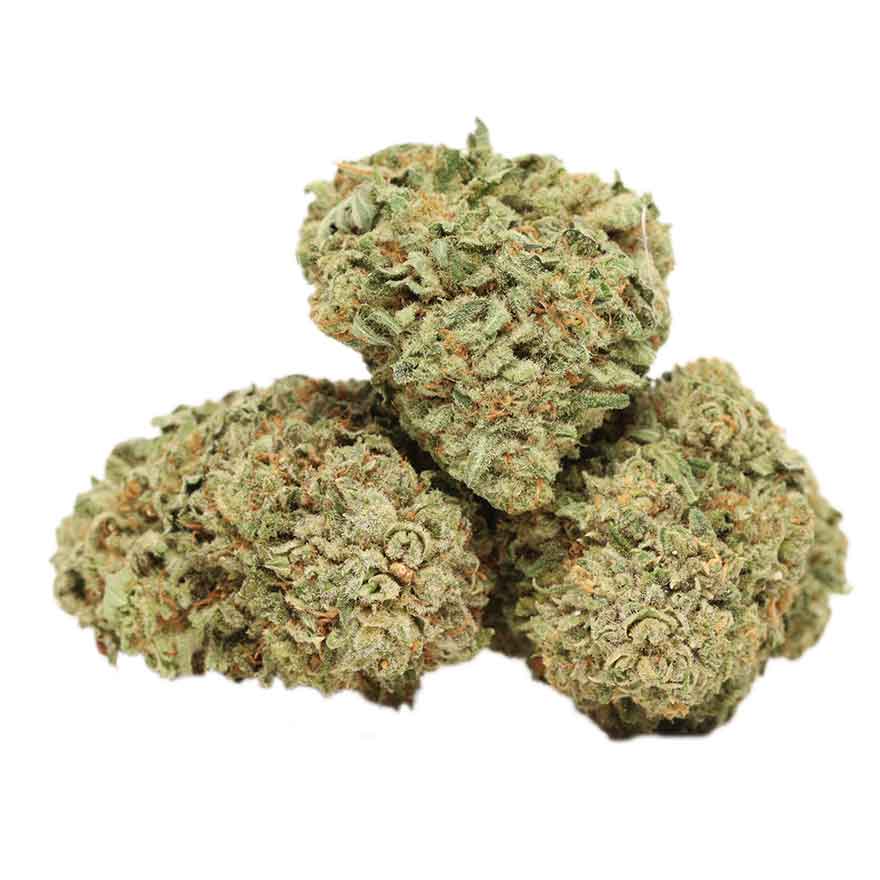
Bubba Kush Appearance
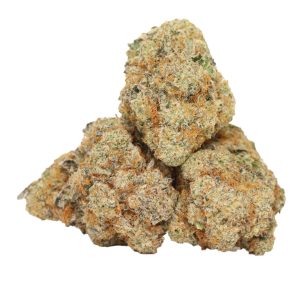
Bubba Kush is commonly associated with:
- bulky flowers;
- dense structure;
- forest-green coloration;
- occasional pale-purple coloration;
- visible trichomes.
Its physical appearance helped establish the classic Kush aesthetic.
Why Bubba Kush Buds Can Turn Purple
Purple cannabis coloration is influenced partly by pigments known as:
anthocyanins.
Genetics play a major role in determining whether a plant can develop purple coloration.
Environmental conditions can influence expression.
Purple color does not automatically indicate higher THC.
What Is Pre-98 Bubba Kush?
Pre-98 Bubba Kush is a famous Bubba Kush selection associated with the cultivar before the explosion of later Bubba-derived hybrids.
Leafly currently lists Pre-98 Bubba Kush at approximately:
15% THC
with leading reported effects including:
- sleepy;
- relaxed;
- hungry.
It is widely regarded as an old-school Bubba phenotype.
Bubba Kush vs. Pre-98 Bubba Kush
| Feature | Bubba Kush | Pre-98 Bubba Kush |
|---|---|---|
| Classification | Indica | Indica |
| Leafly THC | About 17% | About 15% |
| Top reported effects | Sleepy, relaxed, hungry | Sleepy, relaxed, hungry |
| Main flavors | Coffee, earthy, pungent | Coffee, earthy, pungent |
| Historical relationship | Original broader cultivar | Older preserved selection |
The names are closely connected but should not automatically be treated as identical products.
Bubba Kush 2.0
Bubba Kush 2.0 is another distinct cultivar.
Leafly currently describes it as Bubba Kush backcrossed with an OG Kush selection.
It is listed at approximately:
16% THC and 1% CBG.
That makes Bubba Kush 2.0 a descendant rather than simply another spelling of original Bubba Kush.
Master Bubba Kush
Master Bubba is another Bubba Kush descendant.
It combines:
Master Kush × Bubba Kush.
Leafly currently lists Master Bubba at approximately:
24% THC.
Again, it is a separate cultivar.
Katsu Bubba Kush
Katsu Bubba Kush is a distinctive Bubba Kush phenotype.
Leafly currently lists approximately:
22% THC and 1% CBG.
It is known for dense resinous flowers and a more floral, fruit-associated terpene profile.
Bubba OG
Bubba OG is also different from original Bubba Kush.
Leafly describes Bubba OG as:
Pre-98 Bubba Kush × Ghost OG
and currently lists it around:
17% THC.
Similar names do not necessarily represent the same genetics.
How Many Strains of Pot Are There?
There is no exact scientifically accepted answer to how many strains of pot are there.
Cannabis strain naming is decentralized.
No single worldwide agency registers every cannabis strain.
New strain names appear continually through:
- breeding;
- hybridization;
- phenotype selection;
- clone selection;
- seed-company releases;
- commercial branding.
Scientific research published in the Journal of Cannabis Research noted that more than 2,000 named strains were already commercially available.
That does not mean exactly 2,000 strains exist today.
The real number of names used commercially is considerably larger.
How Many Weed Strains Are There?
The most accurate answer to how many weed strains are there is:
thousands of named cannabis strains exist, but there is no authoritative final count.
Any website claiming there are exactly:
- 700;
- 1,000;
- 2,000;
- 5,000;
- 10,000;
weed strains should be interpreted carefully.
The number depends on what is counted.
Why There Is No Exact Weed Strain Count
Several problems make counting cannabis strains difficult.
A single genetic line might have:
- multiple names;
- regional names;
- breeder-specific names;
- phenotype numbers;
- commercial rebrands.
Meanwhile, completely different genetic lines can sometimes share similar names.
Cannabis Has No Universal Strain Registry
A major reason there is no precise total is that cannabis breeding historically lacked formal nationwide cultivar registration.
A 2026 genetics paper specifically noted that cannabis breeding still lacks formal systems for cultivar registration and breeder protection.
Researchers have proposed genetic fingerprinting systems to improve cultivar verification.
Scientific Evidence on Weed Strain Names
Research has repeatedly found inconsistencies in commercial cannabis naming.
One genetic study examining marijuana obtained from multiple dispensaries found that samples carrying the same strain name were not always genetically consistent.
That means:
name count ≠ genetically unique cultivar count.
More Than 2,000 Named Cannabis Strains
A scientific genetics paper reported that more than:
2,000 named strains
were commercially available to consumers.
This is useful as evidence that cannabis naming already extends into the thousands.
However, it should not be treated as a current global total.
Earlier Scientific Estimates
Earlier cannabis literature reported more than:
700 described cultivars.
As legal and commercial markets expanded, the number of commercially named cultivars increased dramatically.
This illustrates how quickly cannabis nomenclature evolves.
Types of Marijuanas Names
The phrase types of marijuanas names usually refers to the many categories used to describe cannabis.
These names can be organized into several groups.
Cannabis Names by Broad Commercial Type
The three most familiar commercial terms are:
- indica;
- sativa;
- hybrid.
These labels remain common in dispensaries and popular culture.
Scientific research, however, shows they do not perfectly describe genetic or chemical differences.
Indica Strain Names
Examples commonly marketed as indica include:
- Bubba Kush;
- Northern Lights;
- Granddaddy Purple;
- Afghan Kush;
- Black Domina.
These labels describe traditional commercial categories rather than strict genetic species divisions.
Sativa Strain Names
Examples frequently marketed as sativa include:
- Sour Diesel;
- Durban Poison;
- Jack Herer;
- Super Lemon Haze;
- Acapulco Gold.
Many modern strains are genetically hybridized despite their commercial sativa labels.
Hybrid Strain Names
Examples commonly marketed as hybrids include:
- Blue Dream;
- Wedding Cake;
- GSC;
- Do-Si-Dos;
- Gush Mints;
- Apple Fritter.
Hybrid genetics dominate much of the modern cannabis market.
Kush Marijuana Names
“Kush” appears frequently in strain naming.
Examples include:
- Bubba Kush;
- OG Kush;
- Master Kush;
- Purple Kush;
- Kosher Kush;
- Afghan Kush.
Historically, the term Kush connects partly to cannabis associated with regions around the Hindu Kush mountains.
Modern commercial use is much broader.
OG Weed Names
Examples include:
- OG Kush;
- Larry OG;
- Tahoe OG;
- Skywalker OG;
- Ghost OG;
- Fire OG.
“OG” has become one of the most recognizable naming components in U.S. cannabis culture.
Cookies-Type Marijuana Names
Cookies genetics produced many modern descendants.
Examples include:
- GSC;
- Thin Mint GSC;
- Animal Cookies;
- Platinum Cookies.
Cookies-family genetics have influenced numerous newer hybrids.
Dessert Weed Names
Modern cannabis naming frequently references desserts.
Examples include:
- Wedding Cake;
- Ice Cream Cake;
- Gelato;
- Apple Fritter;
- Birthday Cake;
- Cheesecake.
These names often reflect aroma, flavor, branding, or genetic heritage.
Fruit Weed Names
Fruit references are also common.
Examples include:
- Blueberry;
- Strawberry Cough;
- Pineapple Express;
- Watermelon Z;
- Banana Kush;
- Cherry Pie.
Again, a fruit name does not mean actual fruit is contained in the cannabis.
Color Marijuana Names
Color terms appear frequently.
Examples include:
- Purple Kush;
- Purple Urkle;
- White Widow;
- Black Domina;
- Blue Dream;
- Green Crack.
Names may reflect appearance, lineage, branding, or historical naming traditions.
Fuel and Diesel Weed Names
Gas and fuel terminology is another major naming theme.
Examples include:
- Sour Diesel;
- NYC Diesel;
- Chemdog;
- Jet Fuel;
- Motorbreath.
These names usually reference strong aromatic characteristics.
Animal Weed Names
Examples include:
- Gorilla Glue;
- Unicorn Poop;
- Cat Piss;
- Animal Cookies.
Cannabis naming often uses memorable or unusual cultural references.
Famous-Person and Character Strain Names
Cannabis cultivars have also been named after:
- celebrities;
- fictional characters;
- historical figures.
Examples can include cultivars such as:
- Bruce Banner;
- Jack Herer.
Naming does not necessarily indicate formal endorsement by the person or rights holder.
Phenotype Numbers
Some cannabis strains include numbers.
Examples include:
- Gelato #33;
- Do-Si-Dos #22;
- GG4;
- Chem #4.
Numbers often refer to particular selections from a breeding population.
What Is a Cannabis Phenotype?
A phenotype is the observable expression of a plant’s genetics interacting with its environment.
Two seeds from the same cross can produce plants with differences in:
- aroma;
- color;
- structure;
- potency;
- flowering characteristics.
Breeders may identify a particularly desirable plant using a number.
What Is a Cannabis Cultivar?
A cultivar is a cultivated plant variety selected and maintained for specific traits.
In scientific discussion, cultivar can be more precise than the casual marijuana-market term strain.
Is “Strain” Scientifically Correct?
The word strain is deeply established in cannabis culture.
However, botanical researchers have questioned its scientific precision.
A review on cannabis nomenclature recommends using cultivar terminology when a cultivated variety has been formally established.
Popular marijuana names without formal botanical descriptions may instead be treated as vernacular strain names.
What Is a Chemovar?
A chemovar groups cannabis according to chemical characteristics.
This can involve differences in:
- THC;
- CBD;
- cannabinoids;
- terpenes.
Some researchers argue that chemical profiles can provide more meaningful information than strain names alone.
Why Chemovar Matters
Two products carrying the same strain name may have different chemistry.
Conversely, differently named strains can have similar cannabinoid and terpene profiles.
Chemovar-based classification attempts to focus more on measurable composition.
THC-Dominant Cannabis Types
THC-dominant cannabis contains substantially more THC than CBD.
Many adult-use marijuana cultivars fall into this category.
Examples can include particular batches of:
- Bubba Kush;
- Gush Mints;
- Sour Diesel;
- Wedding Cake.
Actual chemistry must be verified by testing.
CBD-Dominant Cannabis Types
CBD-dominant cultivars contain more CBD relative to THC.
These products have a very different cannabinoid profile from high-THC marijuana.
The strain name alone does not establish the THC-to-CBD ratio.
Balanced THC and CBD Strains
Some cultivars are bred to contain more balanced proportions of THC and CBD.
These are sometimes described as:
- 1:1 strains;
- balanced strains.
Laboratory analysis remains necessary because the exact ratio can vary.
Bubba Kush as an Example of Cannabis Naming
Bubba Kush demonstrates why cannabis naming can be complicated.
Its identity includes:
- breeder history;
- informal clone naming;
- uncertain parent genetics;
- multiple descendants;
- multiple related phenotypes.
Yet the name has remained recognizable for decades.
Bubba Kush Descendants
Bubba Kush genetics have contributed to numerous later cultivars.
Examples include:
- Bubba Kush 2.0;
- Bubba OG;
- Master Bubba;
- Katsu Bubba Kush;
- Bubba 76.
The broader family contains many more breeder-specific crosses.
Why Weed Strain Numbers Keep Growing
New cannabis names continue to appear because breeders constantly combine existing genetics.
For example:
Strain A × Strain B = new hybrid population
Selections from that population can later be crossed again.
Over many generations, this creates an enormous number of possible combinations.
Does Every New Cross Count as a New Strain?
Not necessarily.
This is another reason exact counts are impossible.
A breeder may consider a cross a new strain, while a botanist may require:
- stability;
- documented characteristics;
- reproducibility;
- cultivar registration.
Commercial naming standards are much looser.
Can Two Weed Strains Have the Same Genetics?
Yes.
Different commercial names can sometimes refer to genetically similar material.
Rebranding and local naming have historically occurred within cannabis markets.
Conversely, one name can sometimes refer to genetically inconsistent material.
Can the Same Weed Strain Have Different THC?
Yes.
This is extremely common.
For example, Leafly lists Bubba Kush around 17% THC while Weedmaps reports a broader 21–26% range.
That variation illustrates why strain names should not be treated as chemical guarantees.
Weed Strains vs. Cannabis Species
Thousands of strain names do not mean there are thousands of cannabis species.
Commercial strain names describe cultivated forms and breeding lines.
Botanical classification is a separate subject.
Is Cannabis Sativa One Species?
Scientific classification of Cannabis has historically been debated.
Different taxonomic frameworks have recognized:
- Cannabis sativa;
- Cannabis indica;
- Cannabis ruderalis;
in different ways.
Other researchers treat Cannabis as a single highly variable species with subspecies or cultivated varieties.
This scientific debate is different from dispensary categories.
Indica and Sativa Names Can Be Misleading
Genomic studies have found that traditional commercial indica and sativa classifications do not consistently correspond with underlying genetics.
Years of hybridization have blurred many old distinctions.
Consumers therefore should not assume every product labeled indica has one predictable genetic or chemical profile.
Better Ways to Compare Weed Strains
Instead of relying solely on names, useful information includes:
- THC;
- CBD;
- CBG;
- terpene profile;
- producer;
- batch;
- laboratory results.
This provides more objective information.
Bubba Kush Flower
Bubba Kush commonly appears as dried cannabis flower.
Flower products may display:
- THC;
- THCA;
- CBD;
- batch number;
- producer;
- package date.
These details can help distinguish one Bubba Kush product from another.
Bubba Kush Pre-Rolls
Bubba Kush may also appear as pre-rolls.
A conventional pre-roll usually contains prepared flower.
An infused pre-roll may contain additional concentrate and therefore substantially higher cannabinoid concentrations.
Bubba Kush Vape Products
The Bubba Kush name can also appear on:
- cartridges;
- disposable vapes;
- concentrates.
A vape labeled Bubba Kush should not be assumed to have the same chemistry as Bubba Kush flower.
Bubba Kush Concentrates
Cannabis concentrates can include:
- live resin;
- rosin;
- wax;
- shatter.
These products generally have greater cannabinoid concentrations than ordinary flower.
Product format therefore matters.
Bubba Kush and Medical Claims
Consumers frequently report using Bubba Kush in connection with:
- stress;
- pain;
- insomnia.
Leafly explicitly identifies these as consumer reports rather than medical evidence.
Bubba Kush should not be presented as proven to treat any disease or medical condition.
Bubba Kush and Sleep
Sleepiness is one of the most frequently reported effects.
However, cannabis research does not establish that a particular strain name reliably treats sleep disorders.
Individual results vary substantially.
Bubba Kush and Anxiety
Some people report relaxation.
Others may experience:
- anxiety;
- dizziness;
- paranoia.
THC response varies among individuals.
Bubba Kush and Driving
THC can impair:
- reaction time;
- attention;
- judgment;
- coordination.
People should not drive while impaired by cannabis.
Cannabis Use Disorder
Some people who use cannabis develop cannabis use disorder.
Potential signs can include:
- craving;
- increasing tolerance;
- difficulty reducing use;
- continued use despite negative consequences.
Higher-potency and frequent use can increase some risks.
U.S. Cannabis Strain Markets
Cannabis strain availability differs from state to state.
A strain commonly found in:
- California;
- Michigan;
- Colorado;
- Massachusetts;
may be uncommon in another legal market.
State rules also determine which products can legally enter regulated retail systems.
Cannabis Strain Names and State Laws
A strain name does not change its legal status.
Whether Bubba Kush or another THC-rich cultivar is lawful depends on:
- state law;
- medical authorization where required;
- possession rules;
- product source.
Cannabis laws remain different across the United States.
Why Bubba Kush Remains Important
Bubba Kush remains influential because it represents an earlier generation of U.S. cannabis genetics before today’s enormous explosion of dessert, candy, and branded hybrid names.
Its continuing recognition demonstrates how certain cultivars become foundational genetic families.
How Many New Weed Strains Are Created?
There is no reliable annual count.
New strains can be introduced continually by:
- commercial breeders;
- independent breeders;
- licensed cultivators;
- phenotype hunters.
Not all names become stable or widely recognized.
Are There Millions of Possible Cannabis Crosses?
Genetically, the number of possible breeding combinations is extremely large.
But that does not mean millions of formally established cultivars exist.
The difference between:
possible crosses
and
documented stable cultivars
is important.
Is There an Official List of Every Weed Strain?
No.
There is no single authoritative global database containing every cannabis strain ever created.
Commercial databases are useful references but are not equivalent to a formal international cultivar registry.
Why One Website May List More Strains Than Another
Cannabis databases use different inclusion criteria.
One may include:
- obscure breeder strains;
- phenotypes;
- CBD cultivars;
- regional strains.
Another may list only strains with substantial consumer information.
The totals therefore differ.
Should Weed Strain Names Be Trusted?
They are useful, but they should not be treated as perfect genetic identifiers.
A 2019 genetics study found inconsistencies among samples sold under identical strain names.
Current researchers continue calling for genetic verification and formal registration.
Bubba Kush Shows Why Genetics Matter
Bubba Kush’s own history is partly uncertain despite being one of the world’s most famous cannabis names.
That alone illustrates why claims about every strain’s exact family tree should be evaluated cautiously.
Educational Resources
For more U.S.-focused cannabis strain, cannabinoid, terpene, and marijuana education, explore Cannabistopgrade.com.
For current Bubba Kush THC, reported effects, flavors, terpenes, history, and general strain information, review the Leafly Bubba Kush Strain Guide.
Regarding another current reference on Bubba Kush genetics, THC range, flavor, and consumer-reported effects, review the Weedmaps Bubba Kush Guide.
For scientific research on the reliability and consistency of cannabis strain names, review the PubMed Cannabis Strain Genetics Study.
Regarding current research discussing the need for formal genetic verification and cannabis cultivar registration, review the 2026 PubMed Cultivar Verification Paper.
Continue exploring strains, cannabinoids, genetics, terpenes, and U.S. cannabis terminology through Cannabistopgrade.com.
Frequently Asked Questions
1. What is Bubba Kush Strain?
Bubba Kush Strain is a famous indica marijuana cultivar associated with 1990s U.S. OG Kush genetics. Leafly currently lists approximately 17% THC, with sleepy, relaxed, and hungry among the most commonly reported consumer effects.
2. How many strains of pot are there?
There is no authoritative fixed total. Scientific research has documented more than 2,000 named commercial cannabis strains, and modern cannabis markets use many thousands of names. The lack of universal cultivar registration makes an exact count impossible.
3. How many weed strains are there today?
Thousands of named weed strains exist, but no worldwide organization maintains a definitive live count. New hybrids and phenotypes continue appearing, while different names may sometimes describe genetically similar cannabis.
4. What are the main types of marijuana names?
Marijuana names can describe indica, sativa, hybrid, Kush, OG, Cookies, dessert, fruit, fuel, color, breeder-specific, and phenotype-number categories. These are commercial and cultural naming systems rather than one formal scientific classification.
5. Are all cannabis strain names genetically unique?
No. Scientific studies have found that commercial cannabis strain names do not always correspond to consistent genetics. Samples sharing the same name can sometimes differ genetically, while differently named products can occasionally be closely related.
6. How much THC does Bubba Kush contain?
Leafly currently lists approximately 17% THC, while Weedmaps describes a 21–26% range. Actual THC differs by phenotype, producer, growing conditions, and batch, so laboratory results on the specific product provide the better measurement.
Be the first to review “Bubba Kush Strain”
Related products
Indica strains
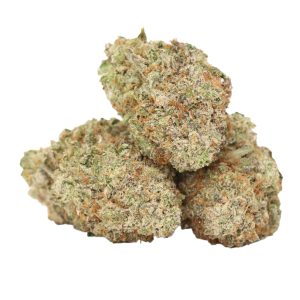
Indica strains
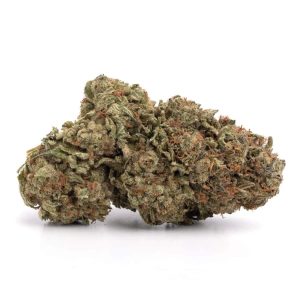
Indica strains
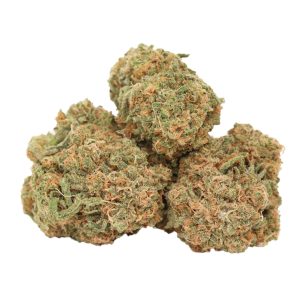
Indica strains
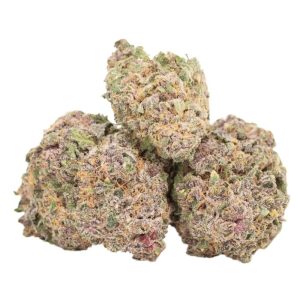
Indica strains
Indica strains
Indica strains
Indica strains
Reviews
There are no reviews yet.